French Canal Boat Vacation: Is It Right for You?
Planning a french canal boat vacation? Learn who it suits, what to expect, route ideas, costs, and how to choose the right boat with confidence.
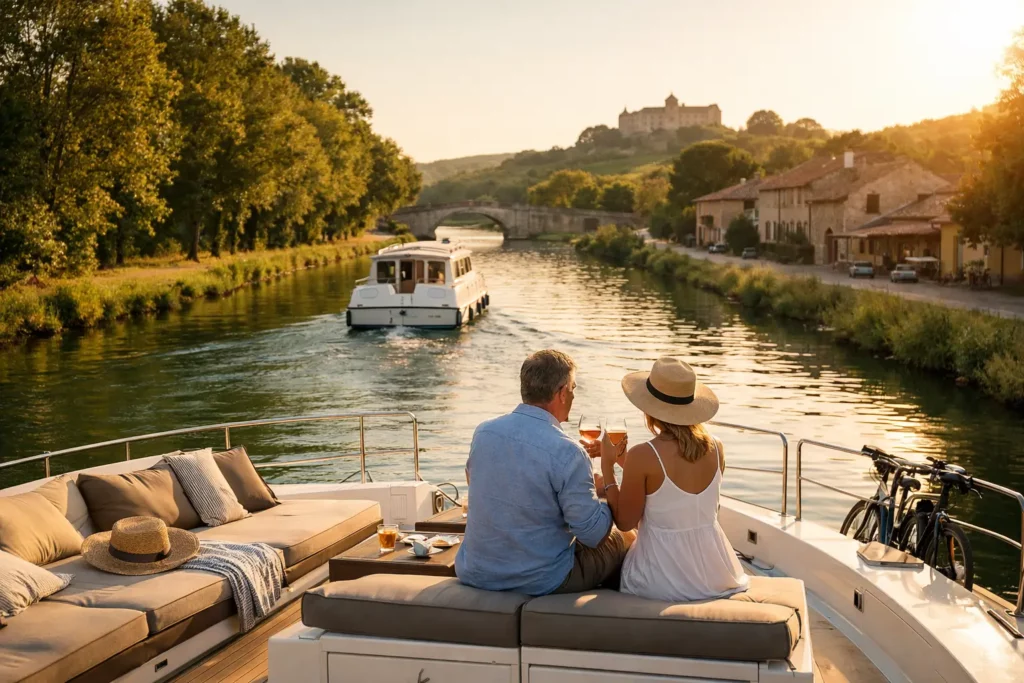
At first glance, a french canal boat vacation can seem almost too gentle to count as a boating holiday. No open-water swells, no racing between islands, no marina scene. Then you picture morning coffee on deck in Burgundy, drifting past vineyards and stone villages, tying up for lunch near a market town, and ending the day beside a quiet towpath under plane trees. For the right traveler, that is not a compromise. It is the whole point.
Why a french canal boat vacation appeals to so many travelers
A canal holiday in France sits in a rare sweet spot between freedom and comfort. You get the privacy of your own boat, the pleasure of moving through a landscape at your own pace, and the daily rhythm of travel without the stress of airports, hotel changes, or tight schedules.
That balance makes it especially attractive for couples, families, and groups of friends who want something memorable but not overly technical. You are still on the water, still navigating, still waking up in a new place – but the experience is calmer, more accessible, and often more social than a coastal charter.
There is also a cultural richness that surprises first-time guests. French canals do not just connect waterways. They connect wine regions, market towns, medieval villages, cycling paths, and excellent local restaurants. A good route gives you more than boating. It gives you France at close range.
What a french canal boat vacation is actually like
If your boating reference point is a sailing yacht or catamaran, canal cruising feels very different. Speeds are slow. Days unfold in short, satisfying stages. The scenery is closer, more intimate, and constantly changing in small ways rather than dramatic ones.
You may spend part of the morning passing through a flight of locks, waving to lock keepers, and learning the quiet teamwork that makes the trip enjoyable. By afternoon, you are moored near a village bakery or riding bikes along the canal path. Evenings tend to be simple and very good – a bottle of local wine, dinner on deck, and the kind of silence people usually have to go far out to sea to find.
That said, canal boating is not passive luxury in the hotel sense. You will handle lines, approach moorings carefully, and pay attention in locks and narrow stretches. The learning curve is usually manageable, even for beginners, but the holiday works best for travelers who enjoy being involved rather than simply served.
Who it suits best – and who may want something else
This is where honesty matters. A french canal boat vacation is ideal for travelers who value slow travel, scenery, food, and the pleasure of choosing their own pace. It suits people who like the journey itself, not only the headline sights.
It is often excellent for families because cruising days are short and flexible. Children can help with simple tasks, stop often, and enjoy the novelty of living on the water. It also works beautifully for couples who want privacy and atmosphere without the formality of a resort.
For friend groups, the appeal depends on expectations. If your group wants nightlife, beach clubs, and long swims in open water, a coastal yacht charter may be the better fit. If you want conversation, village stops, long lunches, and a shared trip that feels both active and easy, canals can be a smart choice.
Travelers who may struggle with it are those who crave speed, wide horizons, or highly polished luxury service at every step. Canal boats are comfortable, but they are not floating five-star hotels. Space can be compact, maneuvering takes patience, and weather still shapes the day, even on inland routes.
Choosing the right region in France
France offers several canal areas, and the best one depends less on what is “best” overall and more on what kind of trip you want.
Burgundy for wine, villages, and easygoing charm
Burgundy is often the first recommendation for good reason. The landscape is classic and deeply satisfying: vineyards, stone hamlets, green countryside, and a food-and-wine culture that rewards stopping often. It is one of the strongest choices for couples and first-time canal cruisers who want postcard scenery and relaxed cruising days.
Canal du Midi for sunshine and iconic route appeal
The Canal du Midi is probably the most famous route, and it earns that reputation. You get historic engineering, southern light, rows of plane trees, and access to beautiful towns and vineyards. In peak season, though, it can feel busier than travelers expect. If you like atmosphere and do not mind sharing locks and moorings, it is a classic. If you want deep quiet, another region may suit you better.
Alsace and the northeast for storybook towns
This area appeals to travelers who love architecture, culture, and neat village landscapes. The cruising feels less about the grand name of the canal and more about the charm of the stops. It is a good fit for guests who enjoy mooring in town and exploring on foot.
Camargue for open skies and a wilder feel
If you want something less traditionally picturesque and more spacious, the Camargue has a very different personality. Wetlands, birdlife, and big horizons create a mood unlike Burgundy or the Midi. It can feel more remote and atmospheric, which some travelers love and others find less cozy.
What to think about before booking
The biggest mistake people make is choosing based only on destination photos. The better approach is to match the boat, route, and trip length to your group.
Start with who is traveling. A couple can be comfortable on a compact boat and enjoy smaller moorings and simpler handling. A family or group of friends needs enough cabin privacy, decent common space, and realistic storage. If the interior is too tight, even a beautiful route can feel smaller each day.
Then think about pace. Seven nights is a strong minimum if you want to settle into canal life. Shorter trips can still work, but they may feel more like a sample than a proper holiday. Ten to fourteen nights gives you room to cruise slowly, pause in places you love, and avoid turning the route into a checklist.
Season matters too. Late spring and early fall are often ideal because temperatures are pleasant and waterways tend to feel less crowded. High summer brings warmth and long evenings, but also more boat traffic and stronger demand on the most popular routes.
Costs and value – what surprises first-time guests
A canal trip can look affordable at first, then become confusing once extras appear. The base boat rate is only part of the picture. Depending on the operator and route, you may also have fuel charges, cleaning fees, bike rental, mooring costs in certain locations, and optional damage waivers.
That does not mean it is poor value. In many cases, a canal boat vacation compares well with a multi-stop land trip once you factor in accommodations, transportation, and the built-in experience of traveling by water. But it pays to ask for a full estimate early so there are no romantic illusions about the final number.
This is also where expert guidance has real value. Travelers who are new to boating often choose too much boat, too ambitious a route, or the wrong region for their style. A service-led charter specialist can help narrow the options and explain trade-offs clearly, which usually saves both money and frustration. If you want that kind of support, Summer Yacht Charters can help you compare the experience honestly rather than simply pushing the most expensive boat.
Canal boats versus coastal yacht charters
For travelers already considering a sailing holiday, the real question may not be whether France is appealing, but whether inland cruising is the right kind of boating trip.
A coastal yacht charter gives you sea breezes, anchorages, swimming stops, and a stronger sense of adventure. It usually feels more dynamic and more exposed to weather. For some guests, that is exactly the thrill they want.
A french canal boat vacation is softer, steadier, and more rooted in local culture. You trade open-water freedom for village access, easy moorings, and a travel style that feels wonderfully human in scale. Neither is better. They simply answer different holiday instincts.
If you are traveling with mixed experience levels, nervous first-timers, or family members who want comfort over adrenaline, canals often win. If your idea of the perfect day includes sailing angles, turquoise bays, and lunch at anchor, stay coastal.
The real magic is in the pace
What people remember most is rarely a single lock or village. It is the way the days feel. You stop checking the time. Meals get longer. Distances shrink into something pleasant and manageable. You start noticing details that fast travel usually erases – church bells, market chatter, the smell of bread near the quay, the ritual of tying up before sunset.
That is why this style of trip works so well for travelers who want more than transportation and more than a hotel. A canal boat is not just where you sleep. It becomes your moving front-row seat to France.
If that sounds like your kind of luxury, trust the slower route. It often gives you more than the hurried one ever could.