Spain Yacht Charter Guide for Your Best Week
This Spain yacht charter guide helps you choose a coast, boat, season, and skipper for a relaxed sailing vacation with room for real discovery each day.
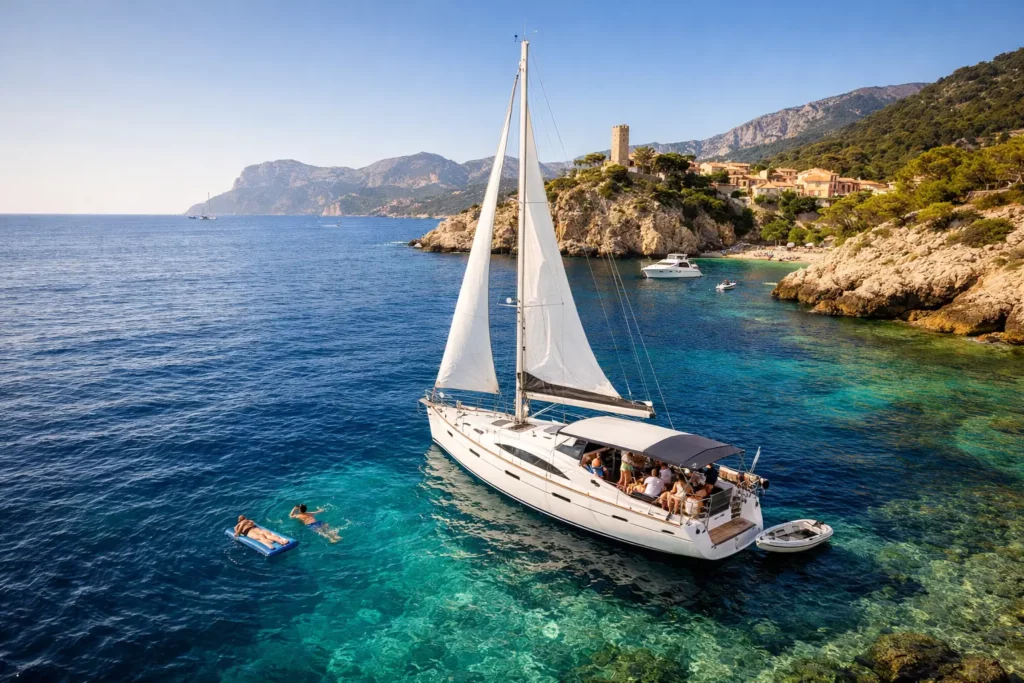
A Spanish charter week can begin with breakfast beside a quiet marina, turn into a swim beneath limestone cliffs before lunch, and end with tapas in a harbor village you would never reach by road. This Spain yacht charter guide is designed to help you make the choices that turn that idea into a genuinely easy, memorable vacation – whether you are stepping aboard for the first time or returning for another season at sea.
Spain rewards travelers who do not try to see everything. The coast is varied, the islands have distinct personalities, and the best route is usually one that leaves room for a long lunch, an unplanned anchorage, and a weather adjustment without disappointment.
Choose the Spanish coast that suits your group
For many guests, the Balearic Islands are the natural starting point. Mallorca has the strongest mix of well-equipped marinas, sheltered coves, lively towns, and easy flight connections. It works beautifully for families and mixed groups because you can balance short sailing days with plenty to do ashore. The island’s east and north coasts offer some especially rewarding anchorages, while Palma is a practical base for provisioning, transfers, and beginning a one-week itinerary.
Menorca feels quieter and more nature-focused. Its smaller calas, clear water, and lower-key atmosphere appeal to couples and crews who care more about swimming and relaxed evenings than nightlife. Conditions can be more exposed depending on the wind direction, so a flexible itinerary matters here. A good skipper knows when a beautiful-looking bay is the wrong choice for an overnight stay.
Ibiza and Formentera bring a different energy. There are stylish beach restaurants, animated marinas, and striking turquoise water, but also peaceful anchorages if you know where and when to look. This is a strong choice for friend groups, celebrations, and travelers who want a little glamour alongside their sailing. In high summer, however, berth availability and beach club reservations can shape the plan more than people expect.
The Costa Brava is worth considering for travelers who prefer rugged scenery, excellent food, and a more mainland-based experience. Its coves and fishing villages have a character distinct from the islands, and the route can pair naturally with time in Barcelona or the wider Catalonia region. It is less about hopping between famous islands and more about slowing down along a dramatic coastline.
The Spain yacht charter guide to choosing your boat
The right yacht is not necessarily the biggest one in the marina. It is the boat that matches how your group wants to live for a week.
A sailing monohull is ideal for guests who want to feel the journey: the heel of the boat, the sound of sails filling, and the satisfaction of arriving under wind power. It usually has a lower charter price than a comparable catamaran and can be easier to find a berth for in tighter marinas. The trade-off is less living space and more movement while underway, which may matter for very young children or anyone prone to seasickness.
A catamaran gives groups a wide cockpit, generous lounging space, shallow draft for many anchorages, and excellent stability at rest. Families and friends sharing a boat often appreciate the separation between cabins and the easy flow between indoor and outdoor areas. Catamarans cost more, use more fuel when motoring, and may face higher marina fees because of their beam. For a group that plans to anchor often, though, the comfort can be well worth it.
Cabin count deserves more thought than most travelers give it. A four-cabin yacht may sleep eight, but that does not mean eight adults will feel equally comfortable for seven days. Consider bathroom arrangements, luggage storage, cabin ventilation, and whether a skipper needs a dedicated berth. If your budget allows, choosing one fewer guest than the yacht’s maximum capacity often creates a much better holiday.
Air conditioning, a watermaker, paddleboards, a dinghy with an outboard, and a generator can all improve life aboard. Their value depends on your route. If you expect to spend most nights in marinas, shore power and nearby facilities reduce the need for some extras. If you dream of quiet bays and long days at anchor, onboard independence becomes much more valuable.
Skippered or bareboat: make the decision honestly
A bareboat charter offers freedom, but it also places real responsibility on the person in charge. You will need appropriate sailing experience, confidence handling a yacht in marinas, and qualifications that meet the charter company’s and local authorities’ requirements. Mediterranean mooring, close-quarter maneuvering, and changing afternoon winds can challenge sailors who have only sailed in gentler or very different conditions.
A professional skipper changes the rhythm of the week. They handle navigation, weather decisions, docking, and the practical judgment behind a good route. Just as importantly, they know when to leave a popular bay before it crowds, where to find shelter when the forecast shifts, and which harbor has the right atmosphere for your group.
Hiring a skipper does not mean you are a passenger unless you want to be. Many guests enjoy taking the helm, helping with lines, learning to trim sails, or simply understanding more about the coastline they are traveling. Tell your skipper at the beginning what kind of involvement you want. Clear expectations make the relationship feel relaxed from day one.
When to charter in Spain
May, June, September, and early October are often the sweet spots for a Spain sailing vacation. The weather is typically warm, the sea is inviting, and ports are less pressured than in peak summer. These months are especially attractive for couples, active travelers, and anyone who values a little more space in restaurants and anchorages.
July and August deliver the hottest weather and the most energetic atmosphere. They are excellent for families tied to school schedules and groups looking for lively evenings, but they require earlier planning. Popular marinas, especially around the Balearics, can book well ahead. Expect more boats in well-known coves and a stronger need to adapt your plans around berth availability.
Wind deserves as much attention as sunshine. Conditions vary by coast, island, and day. A route that looks simple on a map may become uncomfortable or impractical when the wind builds. This is why a smart charter plan is a framework, not a rigid checklist of places to tick off.
Plan an itinerary with breathing room
For a one-week charter, two to four key areas are usually enough. Trying to cross large distances every day turns a sailing vacation into a delivery trip. A better rhythm is to alternate a short passage with a longer stop, then allow at least one day when the crew decides the next destination after breakfast.
In Mallorca, for example, a week might include time around Palma, an east-coast cala, a protected harbor for a town dinner, and one or two nights at anchor. A Mallorca-to-Menorca route can be wonderful, but only when the forecast supports the crossing and the group is comfortable giving up some flexibility. Around Ibiza and Formentera, shorter passages make it easier to combine beach time, water sports, and evenings ashore without rushing.
Ask in advance about realistic daily sailing hours, fuel expectations, marina costs, and whether your preferred stops need reservations. These details are not meant to reduce spontaneity. They protect it. When the practical pieces are understood, you can enjoy a change of plan instead of worrying about it.
Budget beyond the charter price
The yacht’s weekly rate is only one part of the vacation cost. Most charters also involve a refundable security deposit or damage waiver, final cleaning, fuel, provisioning, marina fees, and skipper costs where applicable. Some boats include selected equipment while others price items such as paddleboards, Wi-Fi, or an outboard separately.
Provisioning can be as simple or as indulgent as your group prefers. Stock the first day with coffee, water, breakfast basics, easy lunches, and a few celebratory drinks, then buy local produce along the way. Spanish markets make this part of the experience, especially when fresh fruit, bread, cheese, and seafood become dinner in a calm anchorage.
The best value is rarely the lowest advertised rate. A slightly better-equipped boat in the right base, with clear inclusions and responsive support, can save money and stress once the week begins. Before confirming, ask for a transparent view of expected extras based on your likely route and group size.
A better first day aboard
Do not schedule a demanding passage immediately after arrival. Flights run late, bags take time, and even an experienced crew benefits from settling into a new boat. Plan to board, unpack, review safety equipment, shop for provisions, and enjoy a simple first evening near the base. If conditions and timing are right, a short sail to a nearby anchorage is a lovely bonus, not an obligation.
Bring soft-sided luggage, reef-safe sun protection, a light layer for breezy evenings, and shoes with non-marking soles. More importantly, bring a flexible attitude. The most talked-about moments are often not the famous beach or the planned restaurant, but the cove your skipper suggested after the wind changed or the sunset swim no one expected.
A thoughtful charter partner can help turn preferences into a boat and route that fit, rather than simply sending a list of available yachts. At Summer Yacht Charters, that sailor-led guidance is where the real planning begins. Choose the coast that feels right, leave room for the sea to have its say, and Spain will give your group a week that stays with you long after you step back ashore.