How to Book a Catamaran Charter Confidently
Learn how to book catamaran charter vacations, choose the right boat and skipper, set a realistic budget, and avoid surprises before you sail with ease.
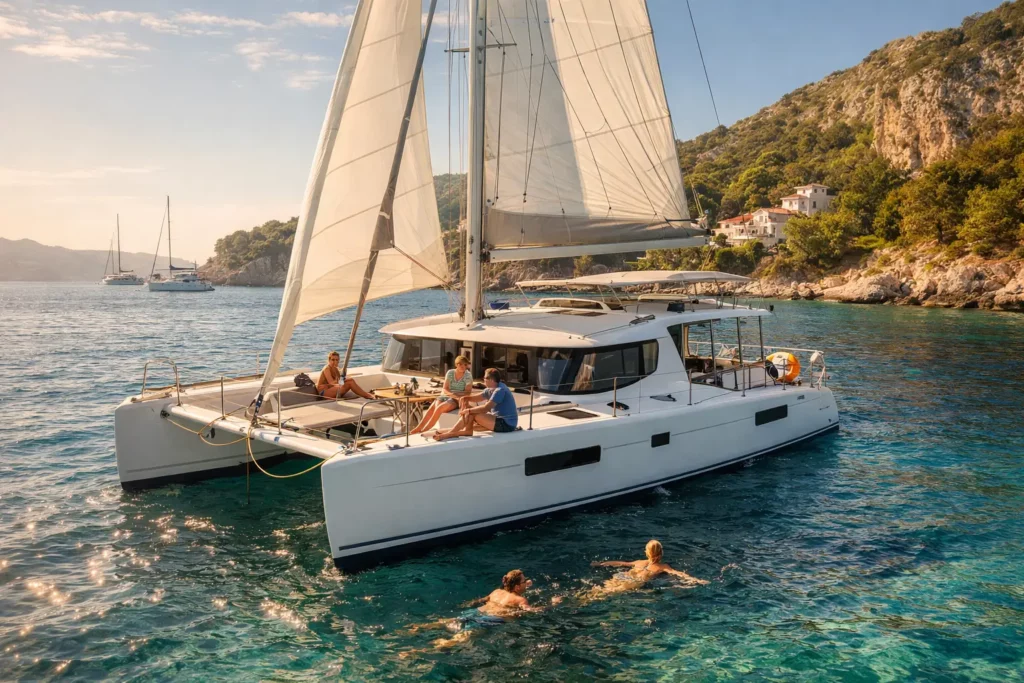
The best catamaran vacations rarely begin with choosing the prettiest boat photo. They begin with a clear picture of the week you want: quiet anchorages before breakfast, a lively harbor dinner, time for swimming, or the freedom to change course when a bay catches your eye. If you are wondering how to book catamaran charter time for the first time, the goal is not to become a sailing expert overnight. It is to make a few informed decisions in the right order, then let an experienced charter team handle the details.
A catamaran is an especially appealing choice for couples, families, and groups of friends because it combines outdoor living with stability, privacy, and generous space. Still, the right boat, destination, and charter arrangement depend on your crew, budget, and comfort level. Here is how to turn the idea of a sailing holiday into a trip that feels effortless once you step aboard.
Start with the kind of week you actually want
Before comparing boats, decide how you want to spend your time on the water. A group hoping for beach clubs, waterfront restaurants, and short sails needs a different base and route than travelers looking for secluded coves and long afternoons at anchor.
Think about your crew honestly. Are there young children, first-time boaters, or guests who value a private cabin? Do you want to cook together, dine ashore most evenings, or leave meal planning to a host? These answers shape the ideal catamaran more than a simple headcount does.
Your preferred pace matters too. A one-week charter is often most enjoyable with a flexible route rather than an attempt to see an entire coastline. In Greece, Croatia, Italy, France, Spain, and Turkey, some areas reward short island hops while others call for longer passages or a more weather-dependent plan. The most memorable itineraries leave room for an unplanned swim stop and the occasional change of plan.
Choose the right charter type
The first practical decision is whether to sail yourselves or charter with professional support. There is no status attached to either choice. The best option is the one that lets everyone relax.
Bareboat charter
A bareboat charter means you take responsibility for operating the catamaran. At least one person in your group must have the required sailing qualifications and enough recent experience to satisfy the local charter company and insurer. Catamarans handle differently from monohulls, particularly when docking, so confidence with twin engines and close-quarters maneuvering is valuable.
Bareboat is ideal for capable sailors who enjoy plotting routes, checking weather forecasts, provisioning, and running the boat. It offers maximum independence, but it also places the operational decisions with you.
Skippered charter
With a skippered charter, a professional skipper handles navigation, boat operations, docking, and day-to-day weather decisions. You remain fully involved in choosing where to go, but you are free to enjoy the journey rather than manage every detail.
For first-time charter guests, a skipper often changes the feel of the vacation completely. They know which harbor is uncomfortable in a certain wind, where to find a calm overnight anchorage, and when a popular stop is best visited. A good skipper is part captain, local guide, and calm presence when plans need to shift.
Crewed charter
A crewed catamaran generally includes a skipper and additional crew, often a chef or host. This is a more service-led experience, well suited to travelers who want their meals, cabins, and logistics taken care of. It costs more than bareboat or skippered charter, but for a celebration, multigenerational family trip, or time-poor group, the extra care can be worth it.
Pick a catamaran that suits the crew, not just the budget
Most charter catamarans are described by length, number of cabins, berths, and year built. Those are useful starting points, but they do not tell the whole story.
A newer boat may have upgraded air conditioning, watermakers, larger solar capacity, and a more modern layout. An older, well-maintained catamaran may offer excellent value and just as much comfort for a crew that plans to spend most days outdoors. The important question is which onboard features will genuinely affect your week.
For example, air conditioning can be a priority in peak summer, especially if you prefer marina nights and closed cabins. At anchor, it may require generator use, which brings noise and fuel considerations. A watermaker can reduce dependence on marina water supplies, but it is not essential on every itinerary. A larger cockpit and shaded flybridge often matter more to social groups than an extra foot or two of cabin space.
Cabin configuration deserves close attention. Not every berth is equally comfortable, and some boats use convertible saloon berths or smaller bow cabins to increase capacity. For adults sharing a week aboard, separate cabins and private bathrooms can make a meaningful difference. Ask for a clear layout and confirm exactly where every guest will sleep.
Set a realistic all-in budget
The advertised weekly charter rate is only one part of the cost. A trustworthy quote should separate the boat price from the mandatory and optional expenses so there are no awkward surprises at the base.
Common additional costs include a refundable security deposit or damage waiver, final cleaning, transit log or base package, skipper fees, fuel, marina fees, provisions, and gratuities. If you add a hostess or chef, their fee and food provisions are usually separate as well. Some locations also have local taxes or cruising permits.
None of this should feel mysterious. Ask for an estimated all-in range based on your intended route and crew style. Fuel and marina costs can vary considerably: a week spent mostly at anchor will look different from a route with nightly marina reservations, generator use, and longer distances under engine.
Travel dates have a major impact on value. The highest-demand summer weeks tend to command the strongest rates and have the least choice. Traveling in shoulder season can bring lower pricing, warmer availability, and quieter harbors, though weather may be less predictable in some regions. Booking early is particularly wise for larger, newer catamarans and school-holiday dates.
Compare quotes with the right questions
When you have narrowed your options, do not judge offers by weekly rate alone. Confirm whether the quote covers the same terms, equipment, and cancellation conditions. A lower initial price can become less attractive if essential extras are excluded or the boat is poorly suited to your group.
Ask these questions before paying a deposit:
- Is the catamaran available for my exact dates, and is the price current?
- What is included in the base package, and what will be paid locally?
- What are the security deposit, damage waiver, and cancellation terms?
- Does the boat have the equipment we need, such as air conditioning, a generator, paddleboards, Wi-Fi, or a dinghy with an outboard?
- What qualifications are required if we charter bareboat?
- If we hire a skipper, where do they sleep and what expenses are the crew responsible for?
- What time are embarkation and disembarkation, and can provisions be arranged in advance?
These questions are not being difficult. They are how experienced travelers protect the easygoing feeling they came for.
Confirm the boat and booking terms before you commit
Once you select a catamaran, the normal process is straightforward. You receive a booking agreement, payment schedule, and a detailed breakdown of services and extras. Read the cancellation policy carefully, especially if flights have not yet been booked. Travel insurance that covers trip cancellation and medical care abroad is a sensible safeguard, while charter-specific coverage may be worth considering depending on the deposit and terms.
At this stage, share accurate passenger details, any sailing credentials, dietary needs, and arrival information. If you have a skipper, tell your charter advisor what your group enjoys. A skipper can plan better when they know whether you picture early swims, historic towns, quiet anchorages, watersports, or evenings ashore.
Summer Yacht Charters can be particularly helpful here because a real sailor can translate a long equipment list and a glossy itinerary into practical guidance. The right advice is not about selling the biggest boat. It is about matching the boat and route to the people stepping aboard.
Prepare for embarkation without overpacking
A catamaran has storage, but it is still a boat. Soft-sided luggage is much easier to stow than rigid suitcases. Bring light layers for breezy evenings, sun protection, swimwear, non-marking deck shoes, and any personal medication. Most guests need fewer clothes than they expect.
Plan provisions around your itinerary. Stock easy breakfasts, drinks, snacks, and a few flexible dinners, then enjoy local markets and taverns along the way. If you are arriving late or traveling with children, pre-ordering groceries can be one of the simplest upgrades you make.
On embarkation day, attend the boat briefing even if you have chartered before. Learn the location of safety gear, heads, electrical panels, tender controls, and emergency contacts. A skipper will lead this process on a skippered trip, but every guest should know the basics.
Let the itinerary breathe
The strongest answer to how to book a catamaran charter is to book the foundations carefully, then resist the urge to over-schedule the week. Weather, mood, and a recommendation from your skipper may improve on the original plan. A beautiful sailing vacation has structure, but it also has space for a second coffee in a quiet bay, a spontaneous lunch ashore, and that rare feeling that the clock is no longer in charge.
Choose the boat that gives your group room to enjoy one another, ask clear questions before you sign, and leave a little margin in both your route and your expectations. The sea tends to reward travelers who do.