What a Charter Cancellation Policy Should Cover
Learn what a charter cancellation policy should cover, from deposit deadlines to weather and insurance, so your sailing vacation plans stay protected.
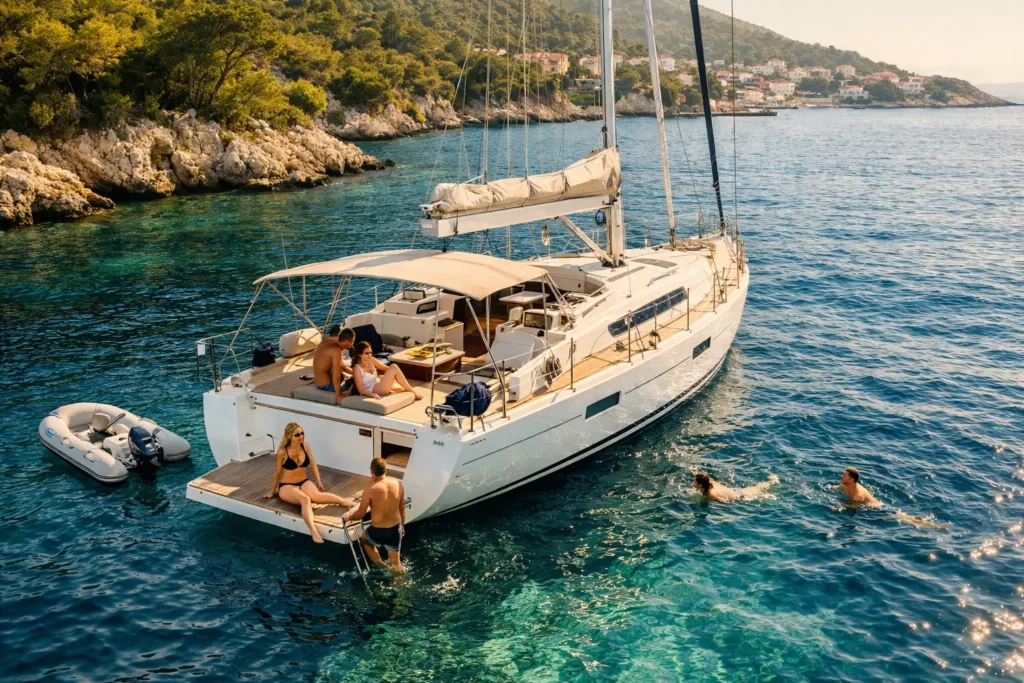
A sailing vacation can take months to plan: finding the right catamaran, aligning flight schedules, choosing islands, and getting the whole crew excited. That is why a charter cancellation policy deserves more than a quick glance before you pay a deposit. It explains what happens to your money if plans change, and the answer can vary significantly by yacht, operator, destination, season, and booking date.
The goal is not to expect the worst. It is to book with clear expectations, protect a meaningful travel investment, and know who can help if life interrupts the trip. A good charter advisor will explain the terms in plain language before you commit, especially if this is your first week on the water.
Why yacht charter terms are more specific than hotel bookings
A yacht charter is not usually a simple room reservation. The boat is reserved exclusively for your group, often during a highly demanded summer week, and the owner or fleet operator may have limited time to rebook it. Crews, marina arrangements, maintenance schedules, and handover logistics may also be organized around your dates.
For that reason, most charter contracts use a staged payment schedule. A deposit secures the yacht, while the remaining balance is due closer to departure. If you cancel early enough, you may lose only part of the payment or be eligible for a refund under the operator’s terms. If you cancel shortly before embarkation, the cancellation charge can be much higher, sometimes reaching the full charter fee.
This is not a reason to avoid booking early. Early booking often gives you the best choice of newer yachts, preferred layouts, and popular departure bases. It simply means the cancellation terms should be part of the decision, alongside the itinerary, boat specification, and final price.
What to check in a charter cancellation policy
The contract for your specific yacht is the controlling document. Policies are not always identical, even within the same region or fleet. Read the written terms before making any payment, and ask for clarification where the wording feels broad or unclear.
The cancellation timeline
Start with the dates. Find out when the deposit becomes nonrefundable, when the final balance is due, and how cancellation fees increase as departure approaches. Pay attention to whether the deadline is counted in calendar days, business days, or weeks before embarkation.
Also check how cancellation must be submitted. Many operators require written notice, not a phone call or an informal message. If one traveler in your group drops out but the rest still intends to sail, that is usually not a charter cancellation. The financial arrangement among friends, couples, or family members is generally separate from the yacht contract.
Which payments are included
The phrase “charter fee” may not cover every payment you make. Ask whether the policy applies to the yacht rental, skipper fee, mandatory end cleaning, transfer services, provisioning, marina charges, or any extras arranged in advance.
A refundable security deposit is different from a cancellation refund. It is normally held to cover damage, loss, or unpaid onboard costs during the charter, then released after a satisfactory check-out. Make sure you understand which payment is refundable, when, and under what conditions.
Operator cancellation and boat unavailability
A reliable policy should also address the less common situation where the yacht cannot be delivered. A serious mechanical problem, storm damage, or another operational issue may make the original boat unavailable before your trip.
In many cases, the operator will first try to offer a comparable replacement yacht. “Comparable” deserves discussion: cabin count, air conditioning, generator, watermaker, age, and sailing performance can matter greatly to your group. If no suitable replacement is available, the contract should state whether you receive a refund and what happens to other services you have booked.
A refund of the charter amount may not automatically cover flights, hotels, or other independent travel costs. This is one of the strongest reasons to coordinate your overall travel protection rather than treating the yacht reservation as an isolated purchase.
Weather, route changes, and unsafe conditions
Weather is part of sailing, particularly in destinations where wind patterns shape the rhythm of each day. Wind, rain, or a changed route does not necessarily mean a charter is canceled. A qualified skipper may choose a different anchorage, delay a passage, or keep the boat in port when conditions call for it. Those decisions protect everyone aboard.
Most charter agreements do not provide a refund simply because the forecast is less sunny than hoped or a favorite island cannot be reached. The practical question is whether the yacht remains safe and reasonably usable for the charter. Set expectations with your crew before departure: flexibility is part of the freedom of being at sea.
If authorities close a harbor, impose a weather warning, or restrict navigation, ask what the operator and skipper will do. The exact response depends on local rules and the length of the disruption. Clear communication matters more than promises that no responsible skipper can make.
Extraordinary events and travel disruption
Contracts may include clauses for events outside either party’s control, such as government restrictions, major natural events, armed conflict, or port closures. These clauses can be complicated. They may provide for a refund, a credit, a postponement, or another arrangement, depending on the circumstances and the operator’s terms.
Do not assume that a delayed flight, illness, passport issue, or a personal scheduling conflict falls into the same category. Those situations often remain the traveler’s responsibility, even when they are genuinely stressful and unavoidable.
Insurance is the practical backup plan
Travel insurance can be valuable for yacht charter guests, but only if it is chosen with the actual trip in mind. The right policy may help with covered cancellation reasons, medical emergencies, evacuation, trip interruption, delayed baggage, or missed connections. Coverage, exclusions, documentation requirements, and reimbursement limits differ by insurer and policy.
Consider coverage soon after you make your first nonrefundable payment, since some benefits have purchase deadlines. Be accurate about the total prepaid cost of the vacation, including flights and accommodations where applicable. If you have a pre-existing medical condition, an older family member traveling with you, or a complex international itinerary, read the eligibility rules especially carefully.
Insurance is not a substitute for reviewing the charter contract. It works alongside it. The charter policy determines what the operator will refund or retain; insurance may address a covered loss that the operator is not required to absorb.
How to make a cancellation decision without panic
If you think you may need to cancel, contact your charter representative immediately. Waiting for plans to become certain can move you into a more expensive cancellation period. Explain what has changed, ask what options are available under the contract, and request confirmation in writing.
Depending on timing and operator approval, there may be alternatives to a full cancellation. You might be able to move to different dates, switch to another yacht, or arrange a name change for a replacement traveler. None of these options should be assumed, and fees may apply, but asking early gives your group the best chance of preserving the vacation.
Keep every relevant document together: your signed agreement, payment confirmations, cancellation notice, correspondence, and receipts. If you make an insurance claim, organized records can make an already disappointing situation easier to manage.
Questions worth asking before you book
Before confirming a yacht, ask your advisor to walk you through the cancellation schedule for that particular boat. Confirm what happens if you cancel before and after the final payment date, whether a date change is possible, and whether the operator can provide a comparable replacement if the yacht becomes unavailable.
It is also wise to ask which extras are refundable, whether the skipper’s fee follows the same terms, and how weather-related restrictions are handled in the planned cruising area. For first-time guests, this conversation is often as reassuring as discussing cabins or route ideas. It turns vague worries into practical choices.
At Summer Yacht Charters, a real sailor’s guidance means helping you understand the fine print before the sea is in sight, not leaving you to interpret it after a problem appears. The right yacht is only part of a confident booking. The other part is knowing the terms well enough to relax when the lines are cast off.
Choose a charter with terms you understand, protect the trip appropriately, and leave room for the one kind of change worth welcoming: an unexpected cove that makes everyone want to stay another night.