10 Sailing Holiday Booking Mistakes to Avoid
Avoid costly sailing holiday booking mistakes with expert advice on boats, routes, skippers, budgets, timing, and contracts for a relaxed charter vacation.
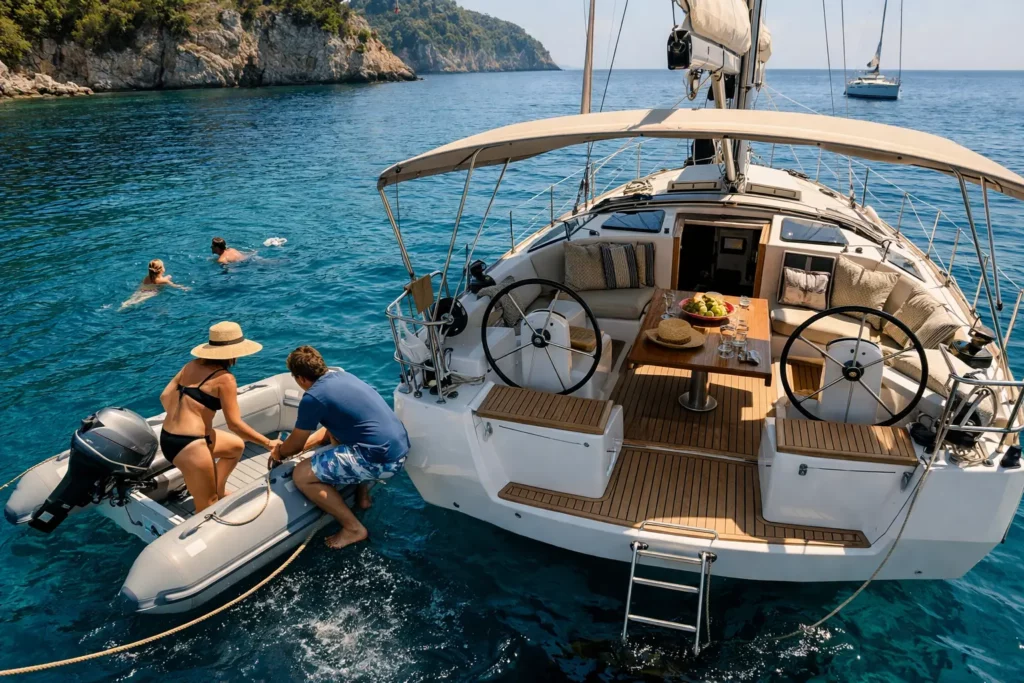
The moment your group pictures breakfast in a quiet cove, a swim before lunch, and dinner under a harbor sunset, the holiday already feels close. Yet a few sailing holiday booking mistakes can turn that picture into cramped cabins, an overambitious route, or a final bill nobody expected. Most are not caused by poor planning. They happen because a yacht charter has more moving parts than a typical hotel vacation, and the right choices depend on your crew, your priorities, and the destination.
1. Choosing a Yacht by Photos Alone
A glossy exterior photo says very little about how a boat will feel after three days with six or eight people aboard. Cabin layouts differ widely, even among yachts of the same length. Some cabins have tight berth access, limited storage, small heads, or low headroom. A salon that looks generous in a wide-angle photograph may become busy when everyone is sheltering from midday heat.
Start with the way your group actually travels. Couples may value equal cabins and private bathrooms. Families might prefer a larger cockpit and an easy swim platform. Friends who intend to cook together need practical refrigeration, counter space, and shaded seating, not simply the highest number of berths.
Also look beyond the model year. A well-maintained older yacht can be a better holiday boat than a newer one with fewer useful features. Ask about air conditioning, generator hours, watermaker availability, dinghy and outboard specifications, sun protection, and the condition of sailing gear. These details shape daily comfort more than a polished listing image.
2. Booking the Wrong Type of Boat
The sailing yacht versus catamaran choice is not just a question of budget. A monohull offers the classic feeling of heeling under sail, responsive handling, and often a lower charter rate. It can be an excellent fit for sailors, smaller groups, and guests who want the journey under sail to be a central part of the experience.
A catamaran usually brings more living space, a wide cockpit, stability at anchor, and cabins that feel more separate from one another. It is often the easier choice for multigenerational families, first-time guests, or anyone concerned about motion sickness. The trade-off is a higher weekly rate, potentially higher marina fees, and more windage when maneuvering.
Neither option is automatically better. Booking a catamaran because it seems more luxurious can be wasteful for a couple who want a lively sailing week. Booking a monohull solely to save money can feel like a false economy if your group needs room to spread out. The best boat is the one that matches the people aboard.
3. Assuming a Skipper Is Only There to Drive
A professional skipper is responsible for safe navigation and the boat, but the role can also transform the pace and confidence of your vacation. A good skipper reads weather patterns, knows where anchoring becomes uncomfortable in a changing wind, and can suggest the tavernas, beaches, and quieter stops that do not appear in a standard itinerary.
The mistake is failing to discuss expectations before confirming the charter. Ask whether the skipper has local experience in your chosen area, whether you prefer active sailing or relaxed passages, and how involved you would like to be at the helm. Clarify sleeping arrangements too. On many yachts, the skipper uses a designated cabin, but on others the salon berth is part of the practical setup.
Guests should also budget for the skipper’s meals. It is customary to include the skipper when dining ashore or provision food for them aboard. This is not an awkward extra detail – it is part of hosting a professional crew member who is looking after your holiday.
4. Treating the Itinerary Like a Road Trip
A map can make islands look tantalizingly close. On the water, distance takes time, wind direction matters, and the best anchorages may be chosen at short notice. Trying to visit a new island every day often creates long passages, rushed arrivals, and little time to enjoy the places you came to see.
A stronger plan has an ideal route and a flexible alternative. Leave room for a long lunch in a protected bay, a second night in a village you love, or a weather-related change of course. In peak summer, arriving early can make the difference between a relaxed berth and a stressful late-afternoon marina search.
This is especially relevant in the Mediterranean, where conditions can vary sharply between neighboring cruising grounds. A route that suits confident sailors in steady wind may not suit a first-time family group during a hotter, busier week. Let the forecast and your crew’s energy set the rhythm.
5. Overlooking the True Charter Budget
The base charter price is only the starting point. Depending on the boat and destination, the final holiday cost may include a security deposit or deposit insurance, cleaning, fuel, marina fees, provisions, a transit log, tourist taxes, and optional equipment. If you are hiring a skipper or hostess, add their fee and meals.
This does not mean chartering is full of surprises. It means the quote needs to be read as a complete vacation plan rather than a single number. Ask for a clear breakdown before booking, including mandatory charges and likely variable costs. Fuel is particularly dependent on how much you motor, use a generator, or travel by dinghy.
One common misstep is underestimating provisioning. A boat kitchen can produce memorable meals, but feeding a full crew requires more water, ice, snacks, coffee, and simple lunches than many groups expect. You may prefer a first-night provisioning service so that everyone arrives to a stocked boat instead of spending the first afternoon in a supermarket.
6. Booking Dates Without Considering the Crew
The cheapest week is not always the best value. Early and late season can offer quieter harbors, comfortable temperatures, and attractive rates, but sea temperatures may be cooler and some seasonal restaurants may have reduced hours. July and August offer the fullest summer atmosphere, though popular marinas, beaches, and flights are busier.
Wind deserves equal attention. Some destinations are known for stronger seasonal patterns, which can be exhilarating for experienced sailors and tiring for guests seeking gentle days afloat. Consider who is joining you: young children, non-swimmers, first-time sailors, and guests prone to seasickness all influence which dates and regions will feel genuinely enjoyable.
Build in travel buffers around embarkation and disembarkation. A delayed flight can make the first night stressful, while an early departure on the final morning can cut short the chance to check out calmly and transfer to the airport. A little margin is one of the least glamorous and most valuable holiday upgrades.
7. Skipping the Contract Details
No one books a sailing vacation to study cancellation terms, but this is where expensive misunderstandings begin. Read the payment schedule, security deposit rules, insurance inclusions, cancellation policy, check-in and check-out times, and what happens if weather affects the route. Confirm whether any licenses are required for a bareboat charter and whether the nominated skipper meets the charter company’s requirements.
Pay attention to inventory and damage procedures as well. At check-in, inspect the boat with the base representative, photograph any pre-existing marks, and make sure problems are written into the handover paperwork. Before departure, ask how to operate the heads, shore power, stove, anchor windlass, and dinghy. Five focused minutes of instruction can prevent an embarrassing and costly issue later.
8. Ignoring the Importance of the Home Marina
Your embarkation marina sets the tone for the entire week. A beautiful yacht is less convenient if the base is several hours from the airport, has limited nearby provisioning, or makes your intended route difficult. This is easy to miss when a charter search is centered only on the yacht itself.
Think about arrival logistics, parking if you are driving, grocery access, and the first and last night’s options. Some crews want to depart immediately after check-in. Others prefer to sleep in the marina, settle into the boat, and leave after breakfast. Both approaches work, but they call for different flight times and provisioning plans.
A knowledgeable charter advisor can help compare these practical details across boats and bases. At Summer Yacht Charters, that human guidance is designed to complement choice, not steer you toward a one-size-fits-all itinerary.
9. Packing Like You Are Staying at a Resort
Hard-shell suitcases consume precious cabin space and are awkward to store. Soft-sided bags are far easier aboard. Bring lightweight layers, reef-safe sunscreen, a hat that stays on in the wind, non-marking deck shoes, and a small dry bag for phones and towels. Even warm-weather charters can bring cool evenings or a surprise shower.
Do not pack every outfit you might need. Life aboard is pleasantly simple, and laundry facilities are not guaranteed. The same principle applies to footwear and gadgets. Space, charging capacity, and organization matter more on a yacht than in a hotel room.
10. Waiting Too Long to Ask for Help
First-time charter guests sometimes delay asking questions because they assume they should already understand the terminology. Returning sailors may do the opposite, assuming each destination, base, and boat operates exactly like the last one. Both habits can lead to the wrong booking.
Ask direct questions early: Is this boat comfortable for our group? Is this route realistic? What will we pay beyond the charter rate? What happens if the wind strengthens? Clear answers make the booking process calmer and usually reveal better options.
The best sailing holiday is not the one with the longest route or the biggest yacht. It is the week when every guest can exhale, trust the plan, and look forward to the next horizon.