How to Find Secluded Mediterranean Anchorages Safely
Learn how to find secluded Mediterranean anchorages safely, from weather checks and seabed reading to calm arrival plans and smart local guidance too
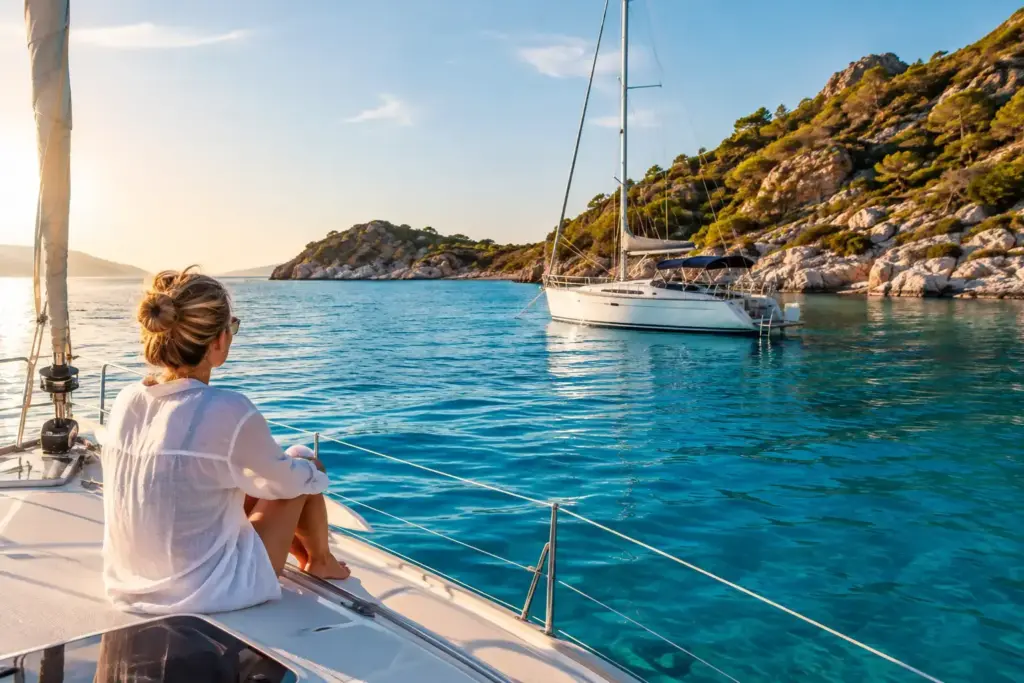
The perfect quiet anchorage rarely announces itself from a glossy itinerary. It may be a crescent of pale sand behind a low headland, a cove on a small island with only goat paths ashore, or a rocky inlet where the water is clear enough to see your anchor settle. To find secluded Mediterranean anchorages safely, treat privacy as a reward for good preparation, not as the first requirement. The places with fewer boats often have less shelter, less room to maneuver, and no one nearby if an anchor starts dragging after dark.
A memorable day at anchor should feel free, never exposed. With the right weather window, a realistic route, and a skipper who understands the local coast, a quiet night on the hook can become the part of the charter everyone talks about long after the tan fades.
Start With Shelter, Not the View
The Mediterranean can look invitingly calm in the morning and become demanding by late afternoon. Local winds often follow reliable patterns, but they do not follow them perfectly. In the Cyclades, the Meltemi can arrive with far more force than a casual forecast suggests. Along the Croatian coast, a summer thunderstorm can create sudden gusts and shifting wind direction. Italy, southern France, Spain, and Turkey each have their own local effects shaped by mountains, channels, and warm land breezes.
Before choosing a secluded bay, ask one simple question: sheltered from what?
A beautiful cove open to the northwest may be comfortable in a light southerly breeze and thoroughly unpleasant once a northwesterly swell wraps around the point. Wind protection and swell protection are not the same thing. A bay can be calm at anchor while waves roll in from a distant weather system, creating a restless night and strain on the ground tackle.
Check the forecast for the entire stay, not just your arrival. Look at sustained wind, gusts, wind shifts, wave direction, and the chance of thunderstorms. If conditions are expected to change overnight, choose a more protected harbor or a well-known all-weather anchorage. There is no prize for sleeping in an empty cove when a marina berth or sheltered bay offers a better night.
Read the Bay Before You Commit
The best anchoring decisions happen before the anchor goes down. Slow your approach and give the bay time to reveal its shape, traffic, and hazards.
Start with the chart and cruising guide, then compare that information with what you can actually see. Identify shallow patches, rocks, swimmers, mooring lines, and the route you would take to leave if the wind rises. In clear Mediterranean water, depth can be deceptive. Sand patches may look shallower or deeper than they are, while dark areas can indicate weed, rock, or sudden depth changes.
A good anchorage needs adequate depth at low water, enough swinging room, and a safe distance from the shoreline and neighboring boats. Your boat will not stay exactly where it is when the anchor first bites. It will swing with wind and current, and a catamaran may require more room than guests expect because of its wider beam and different windage.
Do not squeeze into a picturesque gap simply because it appears empty. It may be empty because local sailors know it is uncomfortable in prevailing winds, difficult to anchor in, or unsuitable for overnight stays. A little space is one of the most luxurious things you can give your crew.
The Seabed Matters More Than the Water Color
Sand or mud generally provides the most dependable holding, while thick seagrass, weed, rock, and loose stones can make an anchor unreliable. In many areas, Posidonia seagrass is also protected. Dropping anchor into it can damage an essential marine habitat and may lead to penalties in regulated zones.
Use charts, local guidance, and visual observation to find designated anchoring areas or clear sand patches. If your anchor lands in weed, do not hope for the best. Retrieve it, inspect for vegetation, and reset on suitable ground. This takes a few extra minutes and can save an anxious evening of checking the shoreline every half hour.
Arrive Early Enough to Make a Calm Decision
Late arrivals create bad choices. The sun is low, the crew is tired, dinner plans are calling, and the only apparent space may be close to another boat or over questionable holding. On a sailing vacation, the most enjoyable rhythm is often a shorter sail followed by an unhurried arrival.
Aim to reach a new anchorage with plenty of daylight left. This gives you time to survey the bay, make a second approach if necessary, and choose an alternative if the conditions do not match the forecast. It also leaves room for the simple pleasures: a first swim, a paddleboard trip to shore, or an aperitif while the light turns gold.
If you are chartering with a skipper, tell them what “secluded” means to your group. Some guests want absolute silence and a rugged swim stop. Others want a peaceful bay within tender distance of a waterfront taverna. Those are different anchorages, and an experienced skipper can plan for both without compromising safety.
Set the Anchor Like You Plan to Sleep There
Anchoring is not complete when the chain hits the bottom. Once the anchor is lowered, reverse gently to lay out sufficient scope for the depth and conditions, then increase power gradually to confirm it has set. Your skipper will account for depth, chain length, expected wind, and the type of seabed.
After setting, take visual bearings on two fixed points ashore or use the boat’s anchor alarm. Neither replaces good judgment, but together they provide reassurance. Check the anchor position again after sunset, especially if the wind has changed or more boats have entered the bay.
Keep the deck clear, secure the tender, and know where life jackets, flashlights, and the VHF radio are located. These small habits do not take away from the relaxed mood. They are what allow everyone to relax.
Respect Local Rules and the People Who Live There
Seclusion does not mean exemption from local regulations. Some bays have seasonal anchoring restrictions, swimming zones, protected seagrass areas, buoy fields, or limits on overnight stays. Coastal communities may also have rules around waste, noise, tender speed, and shore access.
Avoid running generators late into the evening in a quiet bay. Take trash with you rather than leaving it ashore, and use holding tanks where required. When approaching a beach by tender, reduce speed well before the swim area. The Mediterranean remains extraordinary because many coastlines are cared for closely by the people who live and work there.
A respectful approach also improves your own experience. Locals are more likely to share useful advice about a safe landing spot, a change in weather, or a small family-run restaurant when visitors arrive with consideration rather than entitlement.
Keep a Plan B Within Reach
Every secluded anchorage needs an exit plan. Before settling in, identify the nearest protected alternative and understand how long it will take to reach it. Check whether it has room, whether a reservation is needed, and whether your boat can safely enter after dark if circumstances force the issue.
This matters particularly when traveling with children, less experienced swimmers, or guests who are new to life aboard. A remote cove can be magical, but it should never leave your group feeling trapped by weather, darkness, or uncertainty. For first-time charter guests, a skipper-assisted itinerary often offers the best balance: wild swimming and quiet bays during the day, with experienced judgment ready when conditions change.
Summer Yacht Charters can help match your route, boat, and skipper to the kind of privacy you want, whether that means hidden Croatian coves, peaceful Greek island bays, or an Italian coastline reached under sail. The right local knowledge is not about taking the mystery out of the journey. It is about making room for the best kind of surprise.
When you finally find that calm, empty bay, take a moment before going ashore. Listen for the anchor chain settling, watch the breeze across the water, and look once more at the forecast. Then pour something cold, step into the sea, and let the coast feel wonderfully far away – while your plan remains close at hand.