How to Pack Yacht Vacation Essentials Smartly
Learn how to pack yacht vacation essentials with a smart, space-saving plan for warm days, cool evenings, shore trips, and relaxed time on deck aboard.
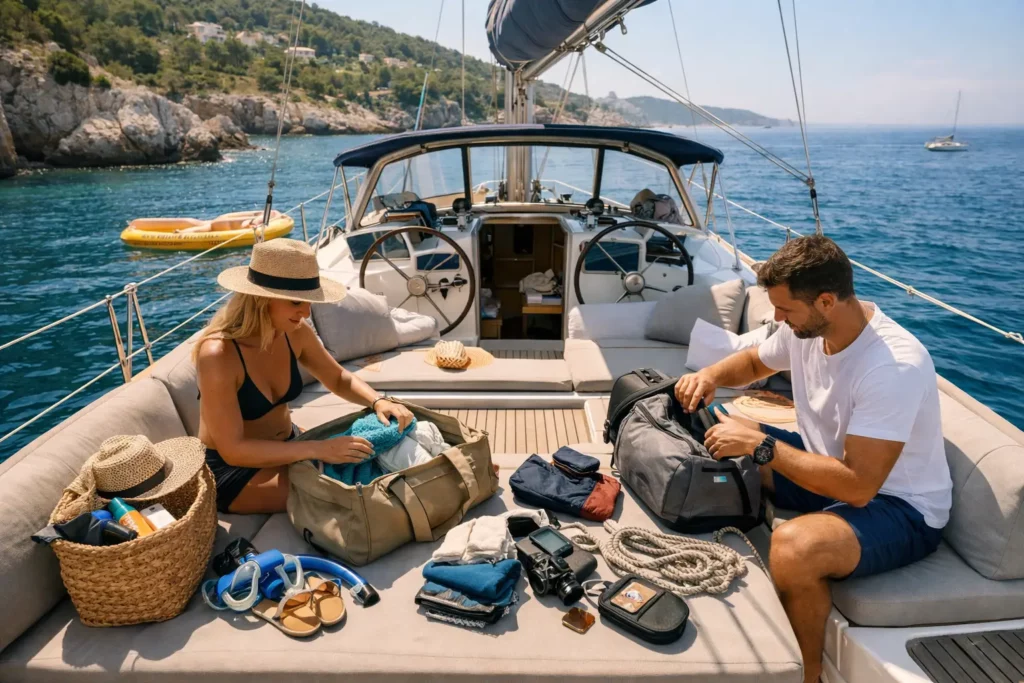
A yacht vacation starts feeling real when the suitcase comes out – and this is where many first-time charter guests make one expensive mistake: packing for a resort instead of a floating home. Knowing how to pack yacht vacation essentials means planning for sunlit swims, breezy dinners, compact cabins, and the occasional walk through a beautiful harbor town. Pack well, and life aboard feels wonderfully easy. Pack too much, and even a spacious catamaran can feel cluttered by day two.
The good news is that a sailing holiday needs less than most travelers expect. The right choices leave room for comfort, spontaneous shore excursions, and the simple pleasure of watching the coastline pass by with nothing to manage except your next swim stop.
How to Pack for a Yacht Vacation Without Overpacking
Start with the bag, not the outfits. A soft-sided duffel, foldable travel bag, or backpack is almost always a better choice than a hard-shell rolling suitcase. Yacht cabins have limited storage, and a rigid suitcase can be awkward to tuck away once everyone is aboard. Many boats have lockers beneath bunks or inside cabin furniture, but soft bags mold to those spaces far more easily.
If you are flying to your charter base, use one small carry-on backpack for travel documents, medications, a change of clothes, swimwear, and valuables. Delayed luggage is never ideal, but it is especially frustrating when your boat departs the marina the next morning. Keeping your essentials with you gives you a comfortable buffer.
Think in layers rather than separate outfits for every occasion. Mediterranean summers are hot, but wind on the water can make sunset feel noticeably cooler. A lightweight sweater, overshirt, or windbreaker earns its place on board even during peak season. In spring and fall, add a packable waterproof jacket and one warmer layer.
A practical yacht wardrobe usually includes:
- Lightweight T-shirts, tanks, or linen shirts that can be worn more than once
- Two or three swimsuits, so one can dry while another is ready to wear
- Shorts, breathable dresses, or skirts for daytime and casual dinners ashore
- One pair of light long pants and a long-sleeve top for evenings and sun protection
- Underwear, sleepwear, and enough basics for the trip, with a little margin for an unexpected splash
- One easy dinner outfit if your group plans to book waterfront restaurants
Avoid bringing bulky formalwear unless your itinerary truly calls for it. Most island restaurants welcome polished but relaxed clothing. A simple sundress, linen shirt, or clean pair of tailored shorts is often exactly right. The yacht lifestyle is elevated, but it is not fussy.
Footwear Matters More Than You Think
Shoes take up space quickly, so choose them with purpose. The best onboard footwear has a non-marking sole and good grip. Boat decks can become slippery when wet, and heels or hard soles are not comfortable on moving surfaces. If you will be barefoot most of the day, one reliable deck-friendly sandal or boat shoe may be enough.
Bring a second pair for shore time: comfortable walking sandals or sneakers for stone streets, steps, and short hikes. Water shoes are worthwhile if your route includes rocky coves or pebble beaches, common in destinations such as Croatia and parts of Greece. Limit yourself to two or three pairs total. Your future self, searching for a lost sandal under a cabin berth, will be grateful.
Protect Yourself From Sun, Salt, and Wind
The sun reflects off the sea, so exposure can be stronger than it feels. A tan is a lovely souvenir. Sunburn that keeps you below deck is not. Bring a wide-brim hat or cap that stays secure in the wind, polarized sunglasses with a strap, and reef-conscious sunscreen with a high SPF.
A rash guard or lightweight UV shirt is one of the most useful pieces you can pack, especially for children, active swimmers, and anyone who enjoys paddleboarding or snorkeling for hours. It reduces the need to constantly reapply sunscreen across your shoulders and back.
Salt water is part of the experience, but it can be hard on skin and hair. A compact moisturizer, lip balm with SPF, leave-in conditioner, and a small after-sun lotion can make a real difference after a full day outdoors. Choose travel-size containers and avoid bringing a bathroom counter’s worth of products. Cabin bathrooms are functional, but storage is limited.
Pack for the Water, Not Just the Boat
Your charter may include snorkeling gear, stand-up paddleboards, or other water toys, depending on the yacht and base. Confirm what is supplied before you fill your bag with equipment. If you have your own well-fitting mask, prescription snorkel mask, or a child’s favorite flotation aid, it may be worth bringing. Otherwise, borrowed gear saves valuable space.
A dry bag is a small item with a big payoff. Use it for a phone, wallet, towel, and spare shirt when going ashore by dinghy or spending the day on a paddleboard. A waterproof phone pouch is also useful, but test it before you trust it with your device.
Do not forget a reusable water bottle. Most charter crews and skippers encourage guests to reduce single-use plastic, and staying hydrated is easier when a bottle is always within reach. Choose one that does not leak and can handle being dropped on deck.
The Small Things That Keep a Charter Easy
There are a few essentials that do not look glamorous in a packing photo but can save a vacation day. Bring any prescription medication in its original packaging, plus enough for a few extra days in case travel plans shift. Basic motion sickness remedies are sensible even for confident travelers. The first day at sea, when your body is still adapting, is often when they help most.
A small personal first-aid pouch can include blister bandages, pain relievers, antihistamines, and any items your family regularly uses. Your yacht will have required safety equipment and often a first-aid kit, but personal preferences and specific needs are best handled by you.
For chargers and electronics, pack a compact power strip or multi-port USB charger only if it suits your group’s setup. Cabin outlets can be limited. Keep devices to a minimum, though. A yacht charter is one of the rare vacations where putting the phone away often feels less like discipline and more like a relief.
Bring a waterproof or washable laundry bag for damp swimsuits and towels. A few clothespins or small clips can be helpful for securing a cover-up or towel on a breezy line, but ask the skipper or crew where items can be hung. Nothing should interfere with sailing gear.
What Not to Bring on Board
The easiest way to pack smart is to leave behind items that work against the rhythm of the boat. Excess luggage, fragile decorations, too many shoes, and large beach towels are rarely useful. Most yachts provide bed linens and towels, though you should confirm this with your charter coordinator before departure. Beach towels may or may not be included, so this is one detail worth checking.
Skip valuable jewelry and anything you would worry about losing in the sea. Leave strong perfumes and oversized hair tools at home as well. Cabin power and storage are not designed around a full beauty routine, and sea air tends to reward a more natural approach anyway.
If you are joining a skippered charter, your skipper can also advise on local conditions, marina customs, and what will be available along your route. A week sailing the Cyclades calls for slightly different preparation than a gentler family itinerary along the Croatian coast. Wind patterns, planned restaurant stops, and the ages of your guests all shape the final packing list.
Give Yourself Room for the Unexpected
The best yacht vacations have a little structure and plenty of space for surprise: a hidden cove your skipper recommends, a last-minute dinner in a fishing village, or an extra hour spent floating in water too clear to leave. Your bag should support that freedom, not weigh it down.
Before you zip it closed, remove three things. Most guests never miss them. What they remember instead is stepping onto the deck with bare feet, a cold drink, and the coast opening ahead – fully prepared for the day, but not overpacked for it.