How to Plan Island Hopping by Yacht
Learn how to plan island hopping by yacht with smart route, budget, and timing tips for a smoother, more memorable sailing vacation.
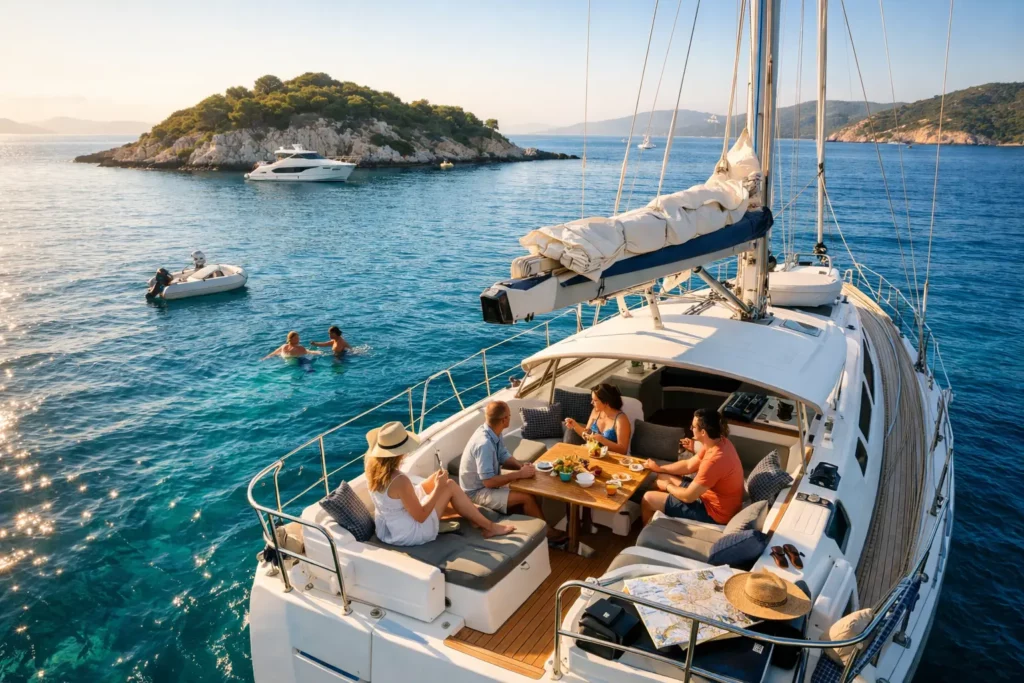
The difference between a great island-hopping vacation and a stressful one usually comes down to one thing: the route looks beautiful on a map, but the reality at sea has its own rules. If you’re wondering how to plan island hopping, the smartest approach is to balance ambition with comfort. The best itineraries are not the ones that cram in the most stops. They are the ones that give you time to swim, linger over lunch in a quiet harbor, and actually enjoy the freedom that made you book a yacht in the first place.
For some travelers, island hopping means a fast-moving adventure with a new anchorage every day. For others, it means a slower rhythm with a few well-chosen islands and long afternoons on board. Neither is more correct. What matters is planning around your group, your sailing style, and the conditions of the area you want to explore.
How to plan island hopping starts with the right pace
The first mistake many first-time charter guests make is trying to do too much. On land, visiting four places in a week can feel manageable. On the water, every move has a cost in time, energy, weather exposure, and logistics. Distances that look short can feel much longer when you factor in check-out, provisioning, mooring, and the simple fact that people relax differently at sea.
A good island-hopping plan starts by deciding what kind of vacation you want. If your group wants beach clubs, late dinners, and lively waterfront towns, your route should include marinas or ports with easy shore access. If the dream is quiet coves and morning swims, you need an itinerary with shorter passages and more protected anchorages. Families often do better with fewer moves and predictable overnight stops. Couples and experienced sailing groups may be happy with longer legs if the payoff is a more remote island.
As a general rule, leaving room in the schedule makes the trip feel more luxurious. One less island often creates a better vacation.
Choose a cruising area that matches your experience
Not every island-hopping destination suits every crew. This matters even more if you are new to chartering or traveling with mixed ages and expectations.
Some areas are ideal for gentle, scenic cruising with short distances between islands. Others are better for confident sailors who do not mind stronger winds, longer passages, or busier marinas. That does not mean beginners should avoid popular sailing destinations. It simply means the route should be adapted to the reality of the place.
In the Mediterranean, for example, island groups can vary a lot. One region may offer easy day hops and protected bays, while another delivers more dramatic conditions and demands a firmer hand on the helm. If you are chartering with a skipper, you have more flexibility. If you are going bareboat, honesty about your experience becomes even more important.
The right question is not just, where do I want to go? It is, where will my group enjoy being on the water every day?
Pick the right yacht before you lock the route
A route and a boat should be planned together. People often do this in reverse and run into problems later.
If comfort is the priority, especially for families or friend groups, a catamaran usually gives you more living space, a more stable feel at anchor, and easier social areas for long afternoons outside. If you care more about the sailing experience itself, a monohull may feel more connected, more classic, and often more efficient on price. Motor yachts can cover more distance, but they come with different fuel expectations and a different style of trip.
Boat size also shapes your itinerary. A larger yacht may be wonderful on board but more restrictive in smaller harbors. A smaller yacht can slip into charming places more easily, but storage and cabin comfort may feel tighter over a full week. If your group wants a skipper, hostess, or chef, that also affects the space you will need.
This is why experienced charter support matters. The best boat is not simply the nicest one available. It is the one that fits the route, the crew, and the holiday you actually want.
Build the itinerary around real travel days
When people ask how to plan island hopping, they usually focus on destinations. The stronger approach is to plan around travel days first.
Start with your embarkation and disembarkation marina. Then sketch a route that respects realistic daily cruising times. For most leisure charters, that often means shorter, more enjoyable hops rather than full-day passages every day. A vacation should leave time for lunch stops, swimming, and unplanned detours.
Try to mix lively stops with quieter ones. A trip feels richer when you alternate between a night in a stylish port town and an evening anchored in a sheltered bay. The contrast is part of the appeal.
It is also smart to avoid making every overnight stop non-negotiable. Wind direction, berth availability, and local advice may change your plan. The best island-hopping itineraries are structured but not rigid. Think of them as a preferred route, not a contract with the sea.
Leave room for weather and mood
This is where inexperienced planners tend to struggle. They create an itinerary that only works if every day is calm, every marina has space, and everyone wakes up wanting the same thing.
Real charter weeks are more fluid. One day the sea invites a longer sail. Another day a protected lunch bay becomes the perfect place to stay until sunset. If stronger winds arrive, a good skipper or route advisor will adjust. That is not a failure of planning. That is good planning.
Budget for the trip you want, not just the charter fee
The yacht price is only part of the story. A realistic island-hopping budget should include mooring or marina fees, fuel, food and drinks, end cleaning, local taxes where applicable, and any extras such as paddleboards, Wi-Fi, crew, or transfers.
This does not mean island hopping has to become expensive in a careless way. It means your route should reflect your budget style. If your group wants regular marina nights, waterfront dining, and premium onboard extras, the total spend will look different from a simpler trip with more nights at anchor and casual meals on board.
There is also a trade-off between flexibility and certainty. Booking restaurants, beach clubs, and some berths in peak season can reduce stress, but overbooking every detail can make the trip feel too fixed. Most guests are happiest when the essentials are secured and the rest remains open.
Provisioning changes the quality of the week
Provisioning is rarely the glamorous part of yacht planning, but it shapes the whole experience. Running out of water, snacks, coffee, or easy breakfast options gets old quickly. So does overbuying and filling every locker with things nobody wants by day three.
Think in rhythms, not in a supermarket list. What will your group want on a slow morning at anchor? What is easy to serve after a swim? What makes sunset on deck feel effortless? Fresh fruit, simple lunch ingredients, plenty of cold drinks, and a few easy crowd-pleasers usually matter more than ambitious cooking plans.
If you have a skipper, ask in advance how meals, storage, and local shopping typically work. If provisioning services are available, they can save valuable first-day time, especially if your arrival is late or your group wants to cast off quickly.
How to plan island hopping for first-time charter guests
If this is your first yacht vacation, keep the route simple and let expertise carry some of the load. There is no prize for pretending you know more than you do. The most enjoyable first charters usually come from travelers who are clear about their priorities and open about their concerns.
If safety, local knowledge, and ease are high on your list, a skippered charter often changes everything. You can relax into the trip faster, access local insight on anchorages and tavernas, and avoid turning the vacation into a navigation exercise. For many guests, that guidance is what transforms a charter from a beautiful idea into a genuinely relaxing holiday.
Working with a knowledgeable charter team also helps you avoid common mismatches: the wrong departure base, too many miles, a yacht that looks great online but does not suit the crew, or a route that sounds famous but feels crowded in peak season. That practical advice is where trust becomes valuable.
The best plan still feels easy once you’re there
A well-planned island-hopping vacation should not feel overplanned. It should feel as if each day unfolds naturally, even though the foundations were set well in advance.
That means choosing a route with margin, a yacht that suits your style, and a pace that leaves space for the best parts of being at sea – the swim you did not schedule, the harbor you decide to stay in longer, the dinner that starts late because nobody wants to leave the deck. If you want expert support while shaping that kind of trip, Summer Yacht Charters can help match the right yacht and itinerary to the way you actually want to travel.
Plan carefully, then leave a little room for the sea to improve your idea.