Is Yacht Charter Safe? What Guests Should Know
Is yacht charter safe? See how boat checks, professional skippers, weather planning, and smart choices protect your Mediterranean sailing vacation well.
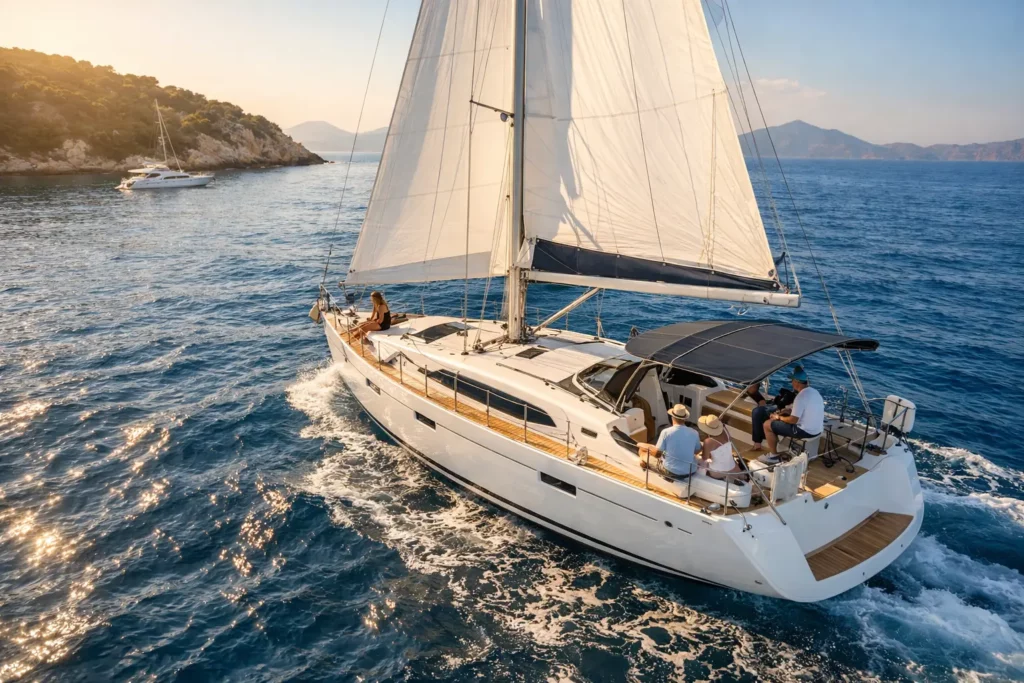
A quiet anchorage, a swim before breakfast, dinner in a waterfront village – a yacht vacation can feel wonderfully free. But first-time guests often ask the sensible question: is yacht charter safe? Yes, when the charter is planned with the right boat, qualified people, realistic weather decisions, and a reputable support team. Like any active vacation, it is not risk-free. The difference lies in how carefully those details are handled before you ever step aboard.
For most guests, charter safety is less about knowing every sailing term and more about choosing a setup that matches their experience. A family seeking easy days between calm bays needs a different plan than a group hoping to sail longer passages or explore lively islands. Good advice turns that difference into a holiday that feels relaxed rather than uncertain.
Is Yacht Charter Safe for First-Time Guests?
It can be, especially with a skipper-assisted charter. A professional skipper handles navigation, docking, anchoring, weather monitoring, and the practical decisions that come with life on the water. That leaves you free to enjoy the sailing while still being part of the experience as much as you wish.
A bareboat charter, where you are responsible for operating the yacht yourself, is also safe for guests with the proper license, relevant experience, and confidence in the planned cruising area. The key word is relevant. Experience on a small lake boat is not necessarily preparation for marina maneuvers, changing winds, or anchoring along a busy coast.
There is no prize for choosing the most demanding itinerary. If this is your first charter, a skipper can make the trip more comfortable and often more enjoyable. You gain local knowledge, a steady hand during maneuvers, and someone whose job is to say, “We will stay put today,” if conditions call for it.
Safety Starts Before the Yacht Leaves the Marina
The safest charter decisions are usually made during the booking stage. A yacht should be legally registered, insured, and maintained to the standards required in its operating area. Before each handover, the charter operator typically checks the vessel’s systems and safety equipment. Guests should receive a clear briefing on the boat, including life jackets, fire extinguishers, first-aid supplies, emergency procedures, radio use, and how to move safely on deck.
The boat itself matters, but bigger is not automatically safer. A well-maintained yacht that suits your group size and itinerary is the better choice. Overcrowding cabins, carrying too much gear, or choosing a performance-oriented sailing yacht when the group wants stability and space can make a trip harder than it needs to be.
Catamarans are popular with families and groups because they offer wide living areas, a stable platform at anchor, and easier movement around the deck. Monohull sailing yachts provide a more traditional sailing feel and can be an excellent choice for couples or guests who enjoy being close to the motion of the sea. Both can be safe choices when professionally maintained and properly operated.
A helpful charter advisor will ask practical questions: Who is traveling? Are there young children or guests with limited mobility? Does anyone get seasick? Do you want quiet bays, short hops between islands, or longer sailing days? Those answers shape the boat, skipper recommendation, and route.
The Crew and Skipper Make a Real Difference
On a crewed yacht, safety is built into the daily rhythm. The captain monitors forecasts, chooses protected anchorages, manages docking, and keeps the yacht operating properly. On a skippered charter, the skipper takes on many of the same navigational responsibilities while you enjoy a more informal, personal sailing vacation.
A good skipper is not there to make the trip feel restrictive. Their experience gives you more freedom to relax. They know when a beautiful cove becomes uncomfortable in a particular wind direction, which marina is best for an overnight stop, and when a route should be adjusted before conditions worsen.
You should still communicate openly. Mention medical needs, swimming confidence, food allergies, concerns about children near the water, and any anxiety about rough conditions before departure. A professional skipper would always rather know early than try to solve a preventable issue at sea.
Weather Is the Main Variable, Not a Minor Detail
The Mediterranean has long, sunny sailing seasons, but it is not always flat and predictable. Local winds can strengthen quickly, afternoon breezes can build, and conditions vary greatly between regions and even neighboring islands. Safe charters respect the forecast rather than treating it as an inconvenience.
This may mean leaving earlier for a calm morning crossing, choosing a sheltered bay instead of an exposed beach club, or changing the order of your stops. It can be disappointing to miss a place on a wish list, but a flexible route is one of the strongest safety tools on board.
Guests sometimes worry that a weather change will ruin the vacation. Usually, it simply changes the day. A skilled skipper may guide you to a charming harbor you had not considered, arrange a longer lunch ashore, or find an anchorage where the water remains calm. The best yacht itineraries have room for this kind of adjustment.
If you are prone to motion sickness, plan for it in advance. Ask a medical professional about suitable medication, stay hydrated, get fresh air, and choose a cabin that is lower and closer to the center of the yacht when possible. Seasickness is common, manageable, and not a sign that you are not made for sailing.
Everyday Habits That Keep Everyone Safer
The sea rewards calm, simple habits. Listen carefully during the safety briefing, particularly if you have never been on a yacht before. Wear non-slip shoes while moving around deck, use handrails, and avoid walking on deck when the yacht is underway unless the skipper says it is safe to do so. At night, keep decks clear and move slowly.
Children should be supervised near the railings, swim platform, and tender at all times. Properly fitted life jackets should be readily available, and families may choose for younger children to wear them whenever the yacht is moving or conditions are active. Inflatable toys and paddleboards are fun, but they are not safety devices.
Swimming from the yacht deserves the same attention. Check with the skipper before entering the water, especially near marinas, channels, rocky shorelines, or areas with changing currents. Use the swim ladder, know where the tender is, and never swim alone after drinking alcohol. A relaxed afternoon is still safer when someone ashore or on board knows who is in the water.
Alcohol is part of many vacation celebrations, but moderation matters on a moving boat. Sun, dehydration, and sea motion can intensify its effects. Save the big toast for when the yacht is securely moored and everyone is safely back on board.
How to Book With Confidence
A low headline price is not the whole story. Ask what is included, what is paid locally, whether a skipper is included or optional, and what insurance or security deposit applies. Clarify the yacht’s age and specifications, the number of bathrooms, air conditioning availability, and expected fuel or marina costs. Transparent information helps avoid both budget surprises and rushed decisions once you arrive.
It is also worth asking how support works if you need help during the charter. Mechanical issues are uncommon on well-maintained yachts, but boats are complex machines. A professional operator and charter partner should have a clear process for assistance, repairs, or a change of plan if needed.
At Summer Yacht Charters, the goal is not to place every guest on the same kind of boat. It is to match the yacht and cruising plan to the people on board, with practical guidance from sailors who understand what a first charter can feel like. That personal conversation often reveals the safety needs that a booking form cannot.
A Safer Charter Is Usually a Better Charter
The most memorable sailing vacations are not the ones that chase every island or push through every forecast. They are the trips with enough time to enjoy the journey: a comfortable boat, a capable skipper when needed, calm communication, and a route designed around your group rather than an idealized schedule.
Ask direct questions, share what you are unsure about, and give your itinerary room to breathe. With the right preparation, the yacht becomes more than a place to stay. It becomes a confident, well-supported way to experience the coast at its most beautiful.