Sailing Experience Requirements for Your Charter
Understand sailing experience requirements for bareboat and skippered charters, so you can choose the right yacht, crew, and route with confidence today.
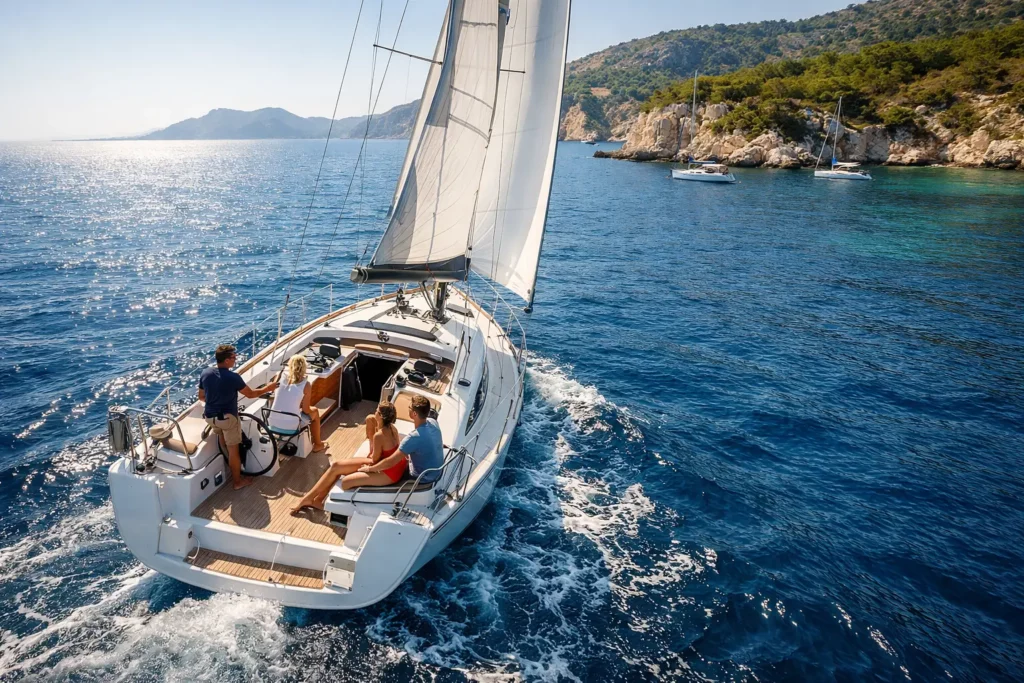
The question is rarely whether you can picture yourself swimming off a catamaran in a quiet Greek bay or sharing dinner beneath the stars. The real question is whether you need sailing experience to make that vacation happen. Sailing experience requirements depend on the type of charter, your chosen destination, the yacht, and the level of independence you want once you leave the marina.
For many guests, the reassuring answer is simple: you do not need to be a sailor to enjoy a yacht charter. You do, however, need the right setup. A professional skipper can take responsibility for navigation, docking, weather decisions, and the daily rhythm of the boat, while you focus on the places, people, and moments that brought you to the water.
Sailing Experience Requirements: Bareboat vs. Skippered
A bareboat charter means you charter the yacht without a professional skipper provided by the charter company. Someone in your group takes command and is responsible for the vessel, crew, route, and safe operation. This is the choice for confident sailors who enjoy passage planning, anchoring, sail handling, and making the call when the wind changes.
A skippered charter includes a qualified skipper. You still have a private yacht holiday, but an experienced professional runs the boat. You can be as involved as you wish, from learning how to trim a sail to simply choosing the next beach. For first-time charter guests, families with young children, groups who want a relaxed vacation, or experienced sailors who would rather switch off, this is often the most enjoyable option.
The difference is not merely about paperwork. It changes the entire feel of the trip. Bareboat sailing offers maximum independence but carries real responsibility. A skipper adds cost and gives up a small degree of spontaneity, yet brings local knowledge, confidence in unfamiliar waters, and more time for everyone to enjoy the holiday.
What You Need for a Bareboat Charter
There is no single worldwide license that applies to every charter. Requirements are shaped by local maritime rules, the yacht’s flag, charter company policies, and insurer expectations. In many Mediterranean destinations, at least one person aboard must show an accepted sailing certificate or license, while a second competent adult may also be required as crew.
A certificate matters, but practical experience matters just as much. Charter teams want to know whether the designated skipper has handled a yacht of a similar size, docked in crosswinds, anchored safely, used navigation equipment, and managed a crew. A weekend course on a small boat may be an excellent start, but it is not always enough preparation for taking a 45-foot monohull or catamaran through busy summer anchorages.
The experience charter companies look for
When discussing a bareboat charter, expect questions about your sailing history. Be open and specific. It helps to mention the types of boats you have sailed, where you sailed, whether you were skipper or crew, and how recently you have been on the water.
Useful experience includes coastal navigation, chartplotter use, reefing sails, man-overboard procedures, anchoring, mooring lines, and marina maneuvering. Mediterranean stern-to mooring is particularly worth understanding. It can look straightforward from the waterfront, but wind, tight spaces, and an audience at the dock make calm boat handling valuable.
A reputable charter partner may recommend a skipper if your experience does not match the yacht or route. That is not a judgment on your ability. It is a practical way to protect your vacation. A skipper can also be arranged for the first few days, allowing you to gain familiarity with the yacht and local conditions before taking more responsibility, where local rules permit it.
Documents and certifications
Bring original or accepted digital copies of any licenses and certificates requested for your charter. The exact document varies by country, but internationally recognized competency certificates are commonly easier for charter operators to assess. Some destinations also expect a VHF radio operator certificate for the person using the onboard radio.
Do not assume a license from home will automatically be accepted everywhere. Before confirming flights or finalizing an itinerary, have your qualifications reviewed against the specific destination and yacht. This is especially relevant for mixed-nationality groups, larger yachts, and one-way routes.
When a Skipper Is the Better Choice
A skipper is not only for people with zero sailing background. It is a smart choice whenever the goal is an easy, well-paced vacation rather than a test of seamanship.
For a group of friends, the skipper prevents one person from becoming the unpaid captain while everyone else relaxes. For couples, it means you can both enjoy sunset drinks rather than studying the wind forecast. For families, it provides an experienced adult whose attention stays on safe navigation while parents focus on the children.
Skippers also know the details that rarely appear in a glossy itinerary: which harbor gets uncomfortable in an afternoon breeze, when to arrive for a sought-after mooring, where the best swimming stop is protected from the swell, and which waterfront restaurant genuinely welcomes a yacht crew. Their advice can turn a good route into a memorable one.
That said, a skipper needs a cabin and should be treated as a working professional, even though they are part of the life aboard. On most charters, guests cover the skipper’s meals. If privacy is your highest priority, choose a yacht with a separate crew cabin or consider a layout with enough cabins that nobody feels squeezed.
Your Boat Choice Should Match Your Skills
The yacht that looks perfect in photos may not be the best first bareboat choice. Larger boats have more space and comfort, but also more momentum, more systems, and greater consequences when docking goes wrong. A catamaran offers generous living space and stability at anchor, but its width can make marina berths and handling unfamiliar for sailors used to monohulls.
For a newer skipper, a modestly sized, well-equipped yacht on a conservative route is often a better first experience than the largest boat in the fleet. Bow thrusters, autopilot, reliable ground tackle, updated navigation equipment, and a practical dinghy setup can make a meaningful difference. They do not replace experience, but they can reduce stress.
The same principle applies to itinerary planning. Island-hopping close to shore in settled weather is very different from a long open-water crossing. Build in short passages, alternatives for windy days, and time to stay put when conditions call for it. The best sailing vacations leave room for the sea to have its say.
How to Be Honest About Your Group’s Ability
The most useful charter conversation begins before you select a yacht. Share how many people are traveling, who has sailed before, whether anyone has been skipper, your comfort with night sailing, and what kind of holiday you want. There is no prize for overstating experience, and it can lead to a yacht or route that feels stressful from day one.
Be equally clear about the less obvious factors. Are there children aboard? Does anyone get seasick? Would you rather spend afternoons sailing or arrive early for beach time? Are you happy cooking on board, or do you imagine dinner ashore each night? These preferences influence the right boat, destination, provisioning plan, and skipper recommendation.
At Summer Yacht Charters, this is where a real sailor’s perspective matters. The goal is not to push every guest toward bareboat sailing or a particular yacht. It is to match your confidence, crew, and expectations with an experience that feels exciting for the right reasons.
Can You Learn While You Charter?
Absolutely. A skippered charter can be one of the most enjoyable ways to build practical confidence. Tell your skipper that you would like to participate, and they can involve you in sail handling, route planning, anchoring, docking preparation, and onboard safety routines. Ask questions while the situation is calm, not when the wind is up and the marina is approaching.
A vacation is not a formal sailing course, so do not expect a skipper to sign off professional qualifications. Still, several days of hands-on time aboard a real cruising yacht can give you a clearer sense of whether bareboat chartering is a future goal. Many returning guests start with a skipper, take structured training at home, then plan an independent charter once their skills are ready.
The right charter is not the one that asks the most of you. It is the one that gives you enough freedom to feel the salt air, find the quiet coves, and come home with stories you want to tell long after the bags are unpacked.