Sicily Sailing Anchorages Worth Planning Around
Plan a more rewarding yacht charter with Sicily sailing anchorages, from calm overnight bays to routes shaped by wind, season, and weather conditions.
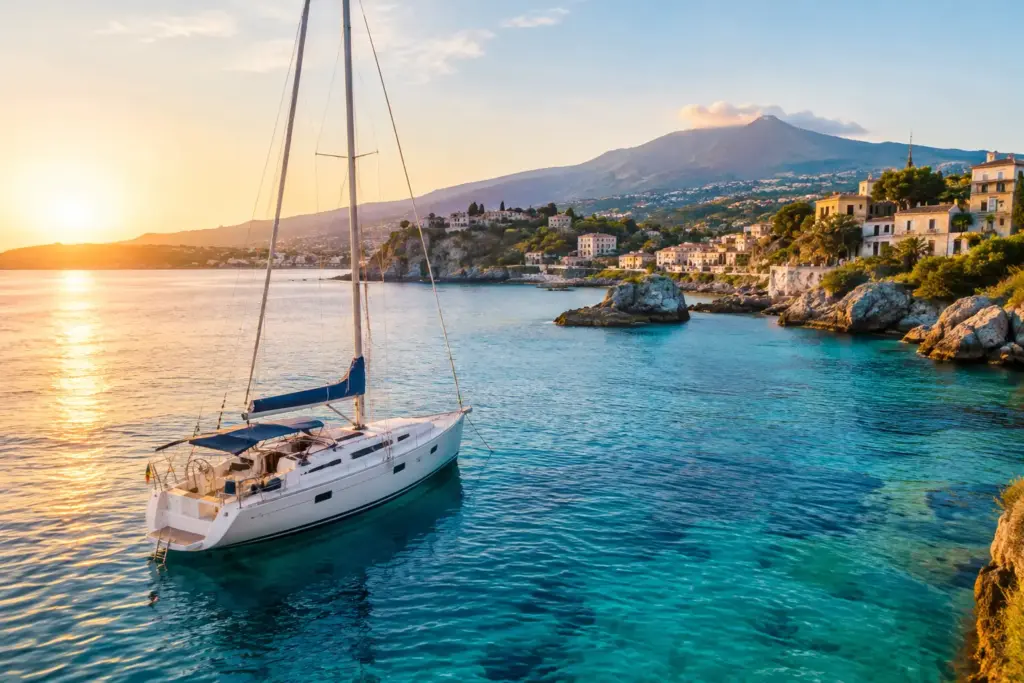
A Sicilian charter can change character before lunch. A bay that feels quiet and glassy in the morning may be uncomfortable by late afternoon when the thermal breeze arrives, while a modest harbor around the headland becomes the best decision of the day. That is the appeal of Sicily sailing anchorages: they reward crews who leave room for the weather, not just the wish list.
This is not a destination for rigid point-to-point itineraries. Sicily has volcanic islands, clear-water coves, working fishing towns, protected reserves, and long stretches of coast with limited all-weather shelter. Choose your overnight stops well, and the sailing feels wonderfully free. Treat every beautiful bay as a guaranteed overnight stop, and the island can teach a humbling lesson.
How Sicily Sailing Anchorages Shape Your Route
The first planning decision is whether to sail the mainland coast, the Aeolian Islands, or the Egadi Islands. Trying to fit them all into one standard week usually means long passages and too little time ashore. Each area deserves its own pace.
The Aeolians, north of Sicily, are the natural choice for crews who want dramatic landfalls and active sailing between islands. Distances are manageable, but the islands are exposed, and the most picturesque stops are often fair-weather anchorages rather than protected havens. A skipper or experienced charter adviser can make a real difference here, especially when choosing which island to visit first based on the forecast.
Western Sicily and the Egadi Islands suit travelers who want turquoise water, historic towns, and shorter passages from a Trapani-area base. The sailing can be gentler, but the prevailing northwesterly wind still determines which side of Favignana or Marettimo is comfortable.
The southeast coast offers a different rhythm. It is less about island-hopping and more about combining open-water sailing with handsome towns, food markets, and relaxed evenings near Marzamemi or Syracuse. Sheltered options are fewer than some first-time guests expect, so this route works best for crews happy to use marinas when conditions call for them.
Sicily Sailing Anchorages That Deserve Time
The Aeolian Islands: volcanic drama and flexible plans
Vulcano is often one of the first memorable stops for a crew coming from the north coast. Porto di Ponente, on the western side, can be an appealing anchorage in settled conditions, with dark volcanic sand and a wide-open sunset. It is not a place to insist on if northwesterly winds are building. When the swell enters, move early rather than hoping it settles overnight.
Panarea is stylish, compact, and especially rewarding by tender. The waters around the island and nearby islets are beautiful, but space can be limited in high season and exposure matters. Cala Junco is a classic daytime swim stop when conditions allow, though it should not be treated as an automatic overnight harbor. Arrive with alternatives in mind and enjoy it more.
Salina brings a greener, quieter contrast to the volcanic drama. Its shoreline is steep in places, and the usable anchorage depends on wind direction and local conditions. The island is worth scheduling for a proper evening ashore, particularly if your group appreciates a long dinner more than a late-night beach scene.
Stromboli is the unforgettable wild card. Anchoring beneath an active volcano, with the possibility of seeing its glow after dark, is a rare experience. It is also exposed and should only be approached with a conservative weather judgment. For many crews, a sunset pass and a protected overnight elsewhere is the more comfortable choice.
Favignana and the Egadi Islands: water color with a weather caveat
Favignana has the kind of water that makes people reconsider their flight home. Cala Azzurra and the coves along the southeast side are well known for swimming, snorkeling, and a laid-back afternoon at anchor. Their appeal is strongest when the wind is light or coming from a favorable direction. With an easterly breeze or developing chop, their color remains spectacular but their comfort fades quickly.
On the opposite side of the island, conditions may be better – or worse – depending on the day. This is why a good Favignana itinerary is built around choosing a side of the island after the morning forecast, rather than promising one named cove months in advance.
Marettimo feels more remote and has a rugged, unhurried personality. It is a rewarding addition for capable crews with enough time, but it is not a casual detour. The passage is longer, provisions are more limited, and the wind can make the return leg demanding. If your group wants quiet water, scenic hikes, and the feeling of being far from the mainland, it may be the highlight of the week.
Southeastern Sicily: culture, swimming, and sensible shelter
Marzamemi makes an excellent stop for crews who want an evening ashore. Its small harbor and old tuna-fishing quarter offer a welcome change after a day of swimming and sailing. In settled weather, nearby coastal stops can work well for lunch or a relaxed afternoon, but do not confuse a calm daytime roadstead with a protected overnight anchorage.
Syracuse adds depth to a sailing vacation. The historic center of Ortigia is best appreciated from a marina berth or organized harbor stop, where you can step ashore without worrying about a shifting breeze or a long tender ride after dinner. It is a good example of a broader Sicily rule: a marina night is not a compromise when it gives you access to a place worth lingering in.
Read the Wind Before You Choose the Bay
Sicily’s anchorages are governed by exposure. The northwesterly Mistral, northeasterly Grecale, southeasterly Scirocco, and local afternoon thermals can each change the safest side of an island or coastline. In summer, a forecast that appears mild on paper can still create enough chop to make sleep, swimming, and cooking unpleasant.
Check more than wind speed. Look at direction, swell, fetch, and what is expected overnight. A bay protected from the breeze may still receive a rolling swell from a distant weather system. If the anchor is lifting and dropping, glasses are sliding across the table, or the tender is snatching at its painter, it is time to relocate.
Allow extra time for this decision. The most relaxed charter days are often the ones where the crew leaves a beautiful lunch anchorage at 3 p.m., reaches a better-protected night stop before the rush, and has time to swim again before dinner.
Anchor Carefully Around Seagrass and Protected Waters
The clear water around Sicily makes the seabed easy to admire and easy to damage. Posidonia seagrass meadows are vital habitat, and anchoring in them can be restricted or prohibited. Use sandy patches where permitted, follow charts and local guidance, and take a moment to confirm that your anchor has not dragged into grass.
Marine reserves deserve the same respect. Some coves allow limited access, some use buoys or controlled moorings, and some prohibit anchoring altogether. Rules can vary by zone and season. A knowledgeable local skipper is particularly valuable if you want to explore these areas without guessing where you may stop.
For a typical charter yacht, a careful anchor set matters more than a dramatic arrival. Choose adequate depth for the conditions, lay sufficient scope, check your position after setting, and keep a realistic escape route if the wind shifts. Catamarans offer room and stability at anchor, but their shallow draft does not make them immune to swell or crowded mooring fields.
Match the Boat and Itinerary to Your Crew
A sailing monohull suits guests who want to feel every tack, enjoy responsive sailing, and keep the itinerary centered on the journey. A catamaran is often the easier fit for families, mixed-experience friend groups, and travelers who value expansive deck space and level living at anchor. Neither choice solves a poor weather plan, but the right boat changes how comfortably your group handles a flexible route.
First-time charter guests should be honest about their priorities. If you want volcanic scenery, great restaurants, and unhurried swims, book fewer islands and leave space for a marina night or two. If the goal is serious sailing, choose an itinerary with enough passage time and a skipper who knows when conditions are building beyond the fun part.
That is where personal route planning earns its place. Summer Yacht Charters can help match the yacht, skipper support, starting base, and season to the experience you actually want – not just the prettiest pins on a map.
Leave Sicily with one anchorage you had not planned to love. It may be the quiet bay chosen for shelter rather than its photographs, where the water stayed calm, dinner lasted late, and the next morning began with a swim before anyone spoke.