What Is a Bareboat Charter? Explained
What is a bareboat charter? Learn how it works, who it suits, what’s included, and when this yacht vacation style is the right choice for you.
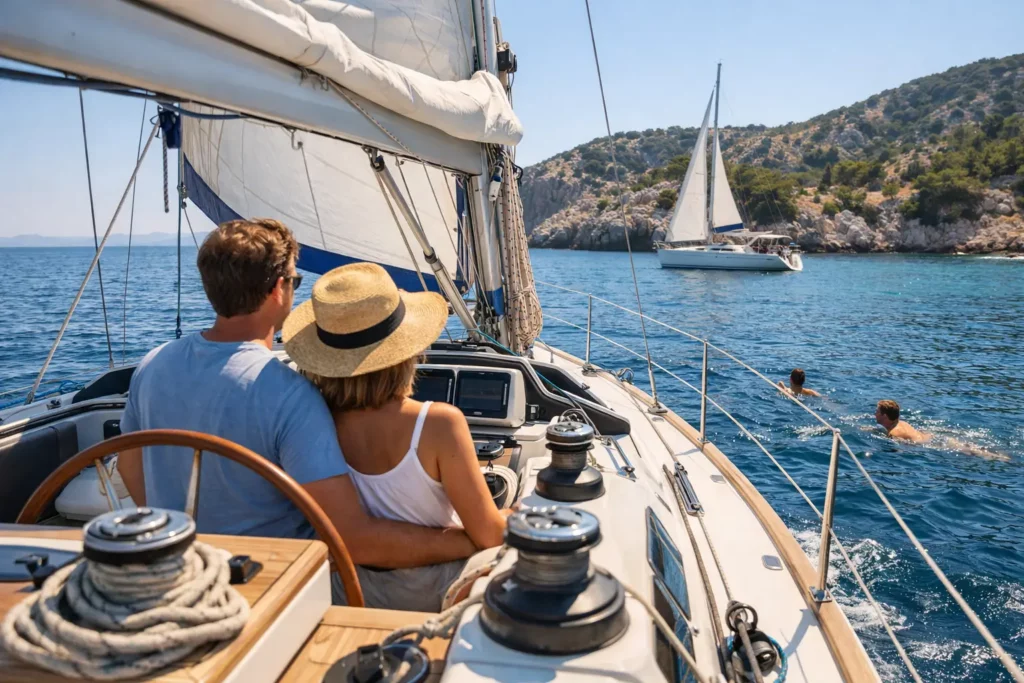
Picture yourself dropping anchor in a quiet bay, choosing your own lunch stop, and setting tomorrow’s route based on the wind rather than someone else’s schedule. That freedom is the heart of what is a bareboat charter – a yacht rental where you hire the boat itself and sail it yourself, without a professional skipper or crew onboard.
For many travelers, that sounds like the perfect sailing vacation. For others, it sounds like too much responsibility for a holiday. Both reactions are fair. A bareboat charter can be one of the most rewarding ways to experience the sea, but it only works well when your skills, confidence, and expectations match the reality of being fully in charge.
What is a bareboat charter?
A bareboat charter is a yacht charter where you rent the vessel without captain, chef, hostess, or other crew. You or someone in your group acts as skipper, handles navigation, docking, safety, and day-to-day decision-making.
The word bareboat does not mean the yacht is literally bare. The boat is equipped for charter use, usually with cabins, a galley, bathrooms, safety gear, and the required onboard equipment for the cruising area. What it does mean is that the charter company provides the yacht, and the responsibility for operating it belongs to you.
That is the big difference from a skippered charter, where a professional captain sails the yacht for you, or a crewed charter, where the experience is more service-led and hands-off.
How a bareboat charter works in practice
The process starts much like any other yacht booking. You choose the destination, the type of yacht, your travel dates, and the size of the boat that fits your group. The practical difference appears before departure.
Because no skipper is supplied, the charter company will usually ask for proof that the designated skipper has the right experience and, in many destinations, the right sailing certification. Requirements vary by country and charter base. In some places, a recognized sailing license is expected. In others, a strong sailing resume may also be reviewed. If local rules require a VHF radio certificate, that matters too.
On arrival, you check in, review the yacht documents, inspect the boat, and go through a technical briefing. You will be shown the systems onboard, from the engine and instruments to water tanks, shore power, and safety equipment. Then you take over the yacht and begin your trip.
During the charter, you are responsible for route planning, weather checks, mooring decisions, and the general care of the boat. At the end of the trip, you return to base, complete checkout, and hand the yacht back.
Simple on paper, yes. In reality, it blends holiday pleasure with real seamanship.
What is included and what is not
A bareboat charter usually includes the yacht itself and its standard onboard equipment. That means the boat is ready for coastal cruising and overnight stays, with basic operational gear and charter inventory.
What is not usually included is just as important. Fuel is commonly charged separately based on use. Marina fees, mooring costs, park permits, provisioning, and extras such as paddleboards, outboard engines, or Wi-Fi may also sit outside the base charter price. Final cleaning, bed linens, towels, and local tourist taxes are often listed as separate charges depending on the destination and charter setup.
This is one reason first-time guests sometimes find charter pricing confusing. A bareboat holiday can offer excellent value, especially when the cost is shared across a family or group of friends, but it is never just about the weekly yacht rate.
Who a bareboat charter is best for
A bareboat charter suits travelers who want independence and are comfortable taking responsibility at sea. Usually, that means experienced sailors, licensed skippers, or returning charter guests who know how to manage a yacht in changing conditions.
It can be ideal for couples who sail regularly, groups of friends with a capable skipper among them, or families who want a private sailing vacation without the structure of having outside crew onboard. The appeal is obvious: you set the pace, choose the anchorages, linger where you love it, and move on when you are ready.
There is also a more personal side to it. Sailing your own yacht creates a stronger connection to the destination. You notice weather windows, local harbor rhythms, and the shape of the coastline in a different way when you are the one making decisions.
Still, a bareboat charter is not automatically the best option just because you like the idea of freedom.
When bareboat is not the right choice
If your group has little or no sailing experience, a bareboat charter can turn a dream trip into a stressful one. Docking in crosswinds, navigating unfamiliar channels, reading local conditions, and managing the boat systems all require calm judgment. That pressure tends to appear at the least romantic moments, such as a crowded marina at sunset.
It may also be the wrong fit if your goal is a pure vacation where nobody wants to think about weather, route planning, or boat handling. In that case, a skippered charter often gives you the best of both worlds: privacy and flexibility, with a professional onboard to take care of the hard parts.
There is no shame in that choice. In fact, many first-time yacht charter guests enjoy their trip more with a skipper because it lets them relax into the experience rather than perform through it.
Bareboat charter vs. skippered charter
This is the comparison most travelers actually need.
With a bareboat charter, you have maximum autonomy. You are not just a guest onboard. You are operating the yacht. That usually means more privacy, more control, and sometimes a lower upfront charter cost than hiring a skipper.
With a skippered charter, you still enjoy a private yacht vacation, but a qualified professional handles sailing, mooring, and local navigation. You gain expertise, reassurance, and often better local insight into hidden bays, lunch stops, and realistic daily routes. You give up a little independence, but you remove a lot of pressure.
The right choice depends on your sailing background and the kind of holiday you want. If you love being at the helm and have the credentials to back it up, bareboat can be deeply satisfying. If you want to focus on swimming, long lunches, and coastal villages, a skipper may be the smarter luxury.
Common misconceptions about bareboat charters
One of the biggest misconceptions is that bareboat charters are only for hardcore sailors. That is not quite true. You do need real competence, but many bareboat guests are not ocean-racing purists. They are experienced recreational sailors who want a well-earned vacation with freedom built in.
Another misconception is that bareboat always saves money. Sometimes it does. Sometimes it does not. Once you factor in deposits, extras, fuel, provisioning, and marina fees, the final cost can look different from the advertised starting rate. The value is often strongest when the group shares expenses and truly wants the self-managed experience.
A third misconception is that bigger is better. In practice, the right yacht is the one your skipper can handle confidently and your group can live on comfortably. A large catamaran may sound appealing, but handling size in tight marinas is not trivial if your experience is limited.
Questions to ask before booking a bareboat charter
Before choosing bareboat, be honest about the skipper’s experience level, not just in open water but in docking, anchoring, and local-style mooring. Ask what documents are required for your destination and whether your qualifications will be accepted.
You should also ask what is included in the charter fee, how the security deposit works, and what support is available if you have a technical problem during the trip. It helps to understand the cruising area as well. Some sailing grounds are gentle and ideal for confident coastal cruising. Others demand more experience due to stronger winds, busier ports, or more complex navigation.
This is where speaking with a real charter specialist makes a difference. The right advice can save you from booking the wrong boat, the wrong base, or the wrong charter style altogether.
What is a bareboat charter really buying you?
More than a yacht, it buys you authorship of the trip. You decide whether the morning starts with an early passage or a slow swim. You choose whether to chase the next island or stay one more night because the anchorage feels too good to leave.
That freedom is why sailors love bareboat charters. But freedom at sea works best when it rests on skill, preparation, and honest planning. If that combination is there, a bareboat vacation can feel less like renting a boat and more like stepping into your own floating world for a week.
If you are unsure whether bareboat is right for your trip, that uncertainty is useful. It usually means you are asking the right questions, and that is exactly where a better sailing holiday begins.