Yacht Insurance for Your Charter Vacation
Yacht insurance can protect your charter vacation from costly surprises. Learn what coverage to consider before sailing the Mediterranean this season ahead.
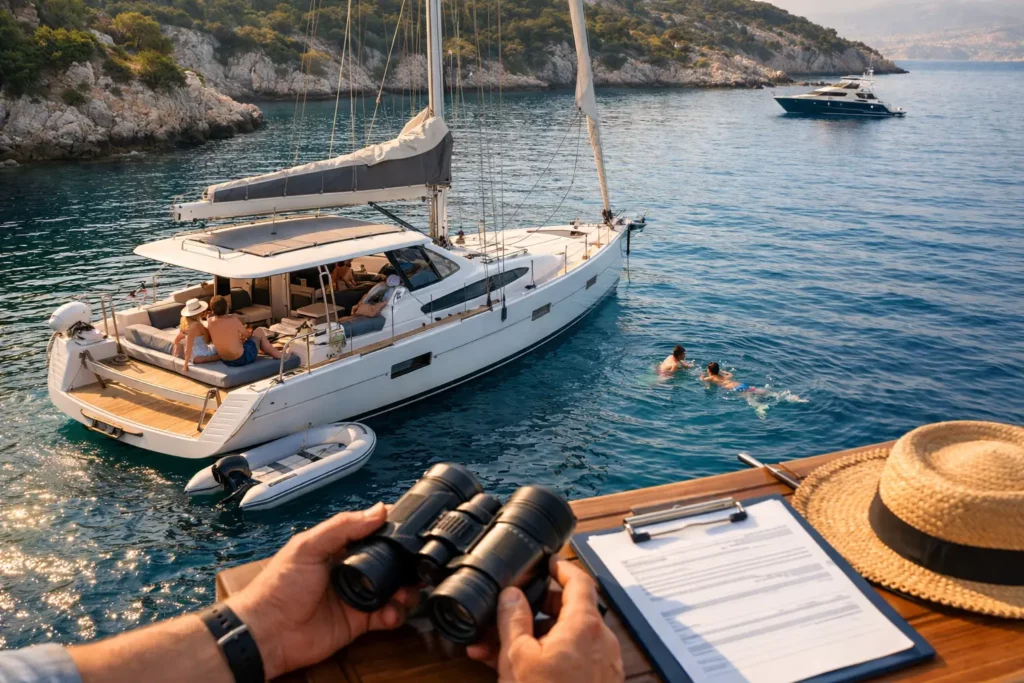
A charter deposit can be one of the last things on your mind when you are picturing a quiet anchorage, a swim before breakfast, and dinner ashore under the Greek islands’ evening light. Yet yacht insurance is one of the most practical decisions you can make before departure. The right policy helps protect the money and flexibility behind the holiday you have planned, especially when weather, travel delays, illness, or accidental damage change the plan.
For first-time charter guests, insurance language can feel more complicated than choosing between a sailing yacht and a catamaran. The key is to separate what the yacht operator insures from what you, as a traveler and charterer, may still be responsible for. Once those roles are clear, the decision becomes far less intimidating.
What Yacht Insurance Usually Covers
Yacht insurance is not always a single product. For a charter vacation, it can describe a combination of coverages that address different risks: the boat itself, your security deposit, your travel arrangements, and your health while away from home.
The charter company or yacht owner normally maintains insurance for the vessel. This commonly includes hull coverage and third-party liability under the terms required in that cruising area. However, that does not automatically mean every cost that affects your vacation is covered. Charter agreements often hold the lead charterer responsible for a security deposit, deductible, negligence, or damage that falls outside the owner’s policy.
Your own protection may include a damage waiver or deposit insurance offered with the charter, plus travel insurance purchased separately. The first is generally focused on your financial responsibility for the boat. The second may protect prepaid trip costs, medical expenses, baggage, or a canceled vacation, depending on the policy.
There is no universal best option. A family booking flights, hotels, and a week aboard a catamaran has different exposure than an experienced crew sailing from a nearby marina. Read the documents for the specific yacht and the specific policy rather than assuming one name covers everything.
The Security Deposit Is the Detail to Understand
Most bareboat charters require a refundable security deposit, authorized by card or paid according to the operator’s process at check-in. It is there to cover losses or damage for which the charterer is liable. The amount varies widely with the yacht’s size, age, equipment, and destination, but it can be a meaningful part of the vacation budget.
A damage waiver may reduce that deposit, lower your maximum financial exposure, or replace part of the deposit requirement. It can offer valuable peace of mind, but it is not a blank check. Many waivers exclude intentional damage, gross negligence, breaches of the charter agreement, lost equipment, blocked toilets caused by improper use, or damage occurring while sailing outside authorized areas.
Ask exactly what remains payable if there is an incident. A lower deposit is appealing, but it matters whether the waiver has an excess, whether it applies to dinghy outboards and sails, and whether an incident report is required before you leave the marina. The cheapest option is not always the clearest protection.
Bareboat and Skippered Charters Have Different Responsibilities
On a bareboat charter, the qualified charterer and crew take direct responsibility for operating the yacht. That makes careful attention to the charter agreement, weather limits, navigation areas, and check-in inventory particularly important.
With a professional skipper aboard, the practical risk profile can change. A skipper brings local knowledge and helps make sound decisions about routes, mooring, and changing conditions. Still, guests can remain responsible for certain losses, and the legal arrangements differ by operator and destination. A skipper is a major source of reassurance, not a reason to skip the fine print.
Before casting off, photograph the yacht’s condition with the base staff, confirm the inventory, and ask questions about anything already marked as damaged. This is not about expecting trouble. It is about beginning a relaxed vacation with a shared, accurate record.
Travel Coverage Matters Just as Much
The boat is only one part of a sailing vacation. If a medical emergency, serious illness, airline disruption, or family event prevents you from traveling, the financial impact can extend to flights, transfers, hotels, and the charter payment itself.
A travel policy may include trip cancellation or interruption coverage, emergency medical treatment, evacuation, delayed baggage, and travel delay benefits. The exact terms matter greatly. Some policies only cover specifically listed reasons for cancellation, while others offer broader options at a higher price. Pre-existing medical conditions, alcohol-related incidents, high-risk activities, and named-storm events can all have special rules or exclusions.
For a charter in the Mediterranean, consider the practical details as well as the headline benefits. Does the policy cover medical evacuation from an island? Does it recognize a missed embarkation caused by a flight delay? Is sailing included, and are there restrictions on bareboat chartering, racing, diving, or using a personal watercraft? The answer may depend on your role aboard and the policy wording.
If you are traveling with children, older relatives, or friends arriving on separate flights, these questions become even more useful. One delayed traveler can affect provisioning, transfers, and the first night’s berth, even if the yacht itself is ready to go.
When Cancellation Terms Are More Valuable Than Insurance
Insurance is only one layer of protection. The cancellation and payment terms in your charter agreement can be equally significant. They set out what happens if you cancel before departure, what refunds may be available, and whether a replacement charterer can reduce your loss.
Review those terms before making the final payment. In many cases, the closer you are to embarkation, the less refundable the charter becomes. This is why a policy should be purchased at the right time, not as an afterthought a few days before travel. Some benefits are available only when coverage is bought soon after the first trip payment.
Weather deserves a realistic perspective, too. A rainy day or a forecast that is less sunny than hoped usually does not create a valid cancellation claim. Professional skippers and base teams can adjust an itinerary for safety, but sailing plans always depend on conditions. Flexibility is part of the experience, and insurance is designed for defined losses, not disappointment.
Questions to Ask Before You Choose Coverage
A clear answer to a few questions can prevent confusion later. Ask whether the quoted charter price includes a damage waiver or whether it is optional. Confirm the security deposit amount, any deductible, and the exclusions that could leave you responsible. Then compare that with the protection offered by your credit card or travel insurer, but do not rely on a benefit summary alone.
It is also wise to ask who must be named on a claim, what evidence is required, and how quickly an incident must be reported. Keep copies of your charter agreement, crew list, payment receipts, and travel confirmations in an accessible place. If something goes wrong, organized paperwork helps far more than trying to reconstruct details after the trip.
A knowledgeable charter advisor can explain the operator’s deposit rules and help you identify the questions worth taking to an insurance provider. At Summer Yacht Charters, that practical guidance is part of planning a holiday that feels exciting from the first inquiry, not uncertain until the keys are handed over.
Protect the Holiday, Then Enjoy It
The purpose of yacht insurance is not to fill your vacation with worst-case scenarios. It is to let you step aboard knowing you have considered the financial and travel risks that could otherwise distract from the week ahead. Choose coverage that matches your crew, your itinerary, and the commitments you have made before reaching the marina.
Then let the planning do its job. Check the lines, listen to the skipper or briefing team, and look toward the next bay. The best sailing vacations leave room for surprise, just not the expensive kind.